What Happened
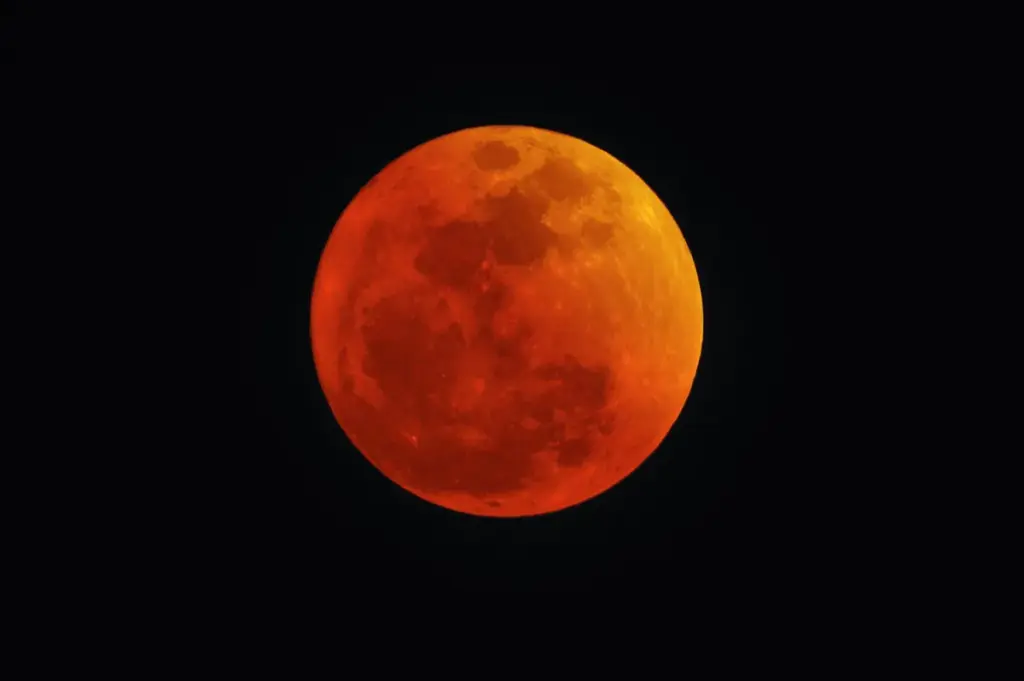
A total lunar eclipse, commonly referred to as a blood moon, is set to occur on March 3, 2026. This celestial event will be visible across the Americas, Asia, and Oceania, as the Earth passes directly between the sun and the moon. The eclipse will begin at 12:44 a.m. PT (3:44 a.m. ET), with totality occurring from 3:33 a.m. to 4:02 a.m. PT (6:33 a.m. to 7:02 a.m. ET), during which the moon will take on a coppery red hue.
Why It Matters
This total lunar eclipse is significant not only for its visual spectacle but also for its demonstration of the solar system’s orbital mechanics. As the Earth casts its shadow on the moon, the event provides a unique opportunity for sky watchers to observe the interplay of celestial bodies. According to Matthew Cimone, senior space science interpreter at the HR MacMillan Space Centre, the phenomenon can be enjoyed from nearly any location with a clear view of the sky, making it accessible to millions.
What’s Next
As the date approaches, enthusiasts are encouraged to prepare for the event by checking local weather conditions and finding optimal viewing locations away from urban light pollution. For those interested in tracking the eclipse phases, resources such as Time and Date’s eclipse tracker will provide precise timings based on individual locations. Stay tuned for live updates and photography opportunities as the event unfolds.