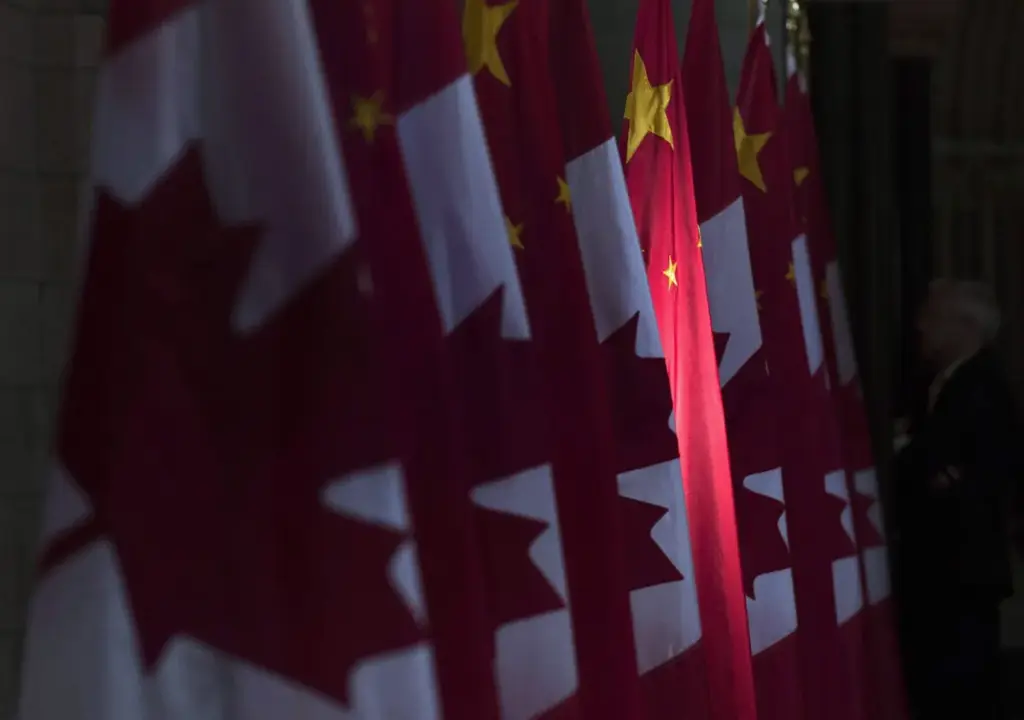
As China seeks to join the CPTPP, its history of economic coercion raises significant concerns, particularly in light of ongoing trade tensions with Canada. The backdrop includes a staggering 75.8 percent tariff on Canadian canola exports imposed by Beijing in 2025.
China’s bid challenges the foundational principles of the CPTPP, which was initially negotiated as the Trans-Pacific Partnership. Critics argue that China often undermines World Trade Organization (WTO) obligations through its state-owned enterprises.
The implications are profound for Canadian farmers like Bill Hawkins, who noted, “They basically put in place tariffs that will kill our trade into that country.” This sentiment reflects a broader anxiety among Canadian exporters about how China’s tactics could leverage market access as a geopolitical weapon.
In a related context, the EU-Mercosur interim trade deal is set to take effect on May 1, 2026. This agreement aims to eliminate tariffs on over 90% of bilateral goods exchange and is expected to boost the EU’s yearly exports by 39%, supporting up to 600,000 jobs.
However, not everyone is on board. Władysław Kosiniak-Kamysz expressed concerns regarding food security and consumer safety due to potential risks associated with the EU-Mercosur deal. Poland plans legal action over these agricultural risks.
Trade negotiations are intricate and often contentious. Brendan Sweeney emphasized the urgency for Canada, stating, “We’re all wanting a trade deal with the USA, making sure that gets sorted out, to build a globally competitive automaking industry in Canada.” This highlights how interconnected global trade dynamics can be.
As China navigates its path towards joining the CPTPP amidst these tensions, officials have not confirmed whether any changes will be made to their tariff policies. The situation remains fluid and complex as countries weigh their options in this evolving landscape.