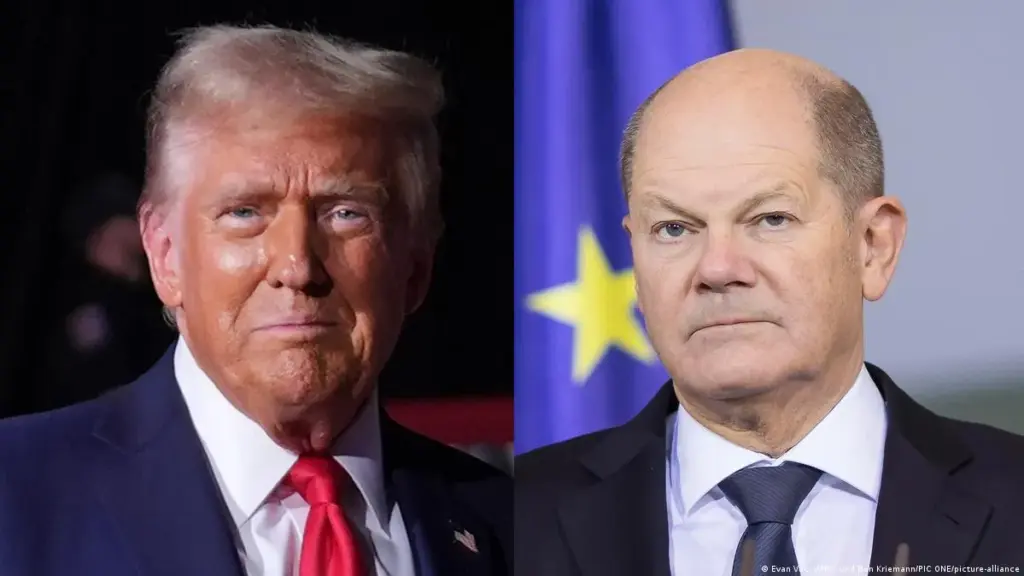
On May 2, 2026, Donald Trump announced plans to withdraw 5,000 American soldiers from Germany, a move that has raised alarms about the future of European security and U.S.-Russia relations.
In recent months, discussions around troop levels in Europe intensified, especially after German Chancellor Friedrich Merz made comments suggesting that Europe should take more responsibility for its own defense. This prompted Trump to assert his intention to cut back even further on the U.S. military presence in Germany.
The planned withdrawal corresponds to roughly 15% of the 36,000 American soldiers currently stationed in Germany. This reduction is part of a broader strategy that reflects a shift in how the U.S. engages with NATO and European defense.
The timeline for this withdrawal is set between six to twelve months following the announcement. Local communities in Germany, particularly around military bases, are feeling the impact of these changes already. Many rely on the economic stability provided by the presence of American troops.
Concerns from Leaders:
- Boris Pistorius, a prominent German politician, emphasized the need for Europeans to shoulder more responsibility for their security.
- Republican leaders like Mike Rogers and Roger Wicker warned that reducing the American military footprint too quickly could weaken deterrence against potential threats from Russia.
- Georges Mercier noted that Trump’s decision was partly driven by feelings of humiliation over past negotiations with European allies.
This shift comes at a time when tensions with Russia remain high, especially under President Vladimir Putin’s aggressive foreign policy strategies. The implications of such troop reductions could embolden adversaries and alter the balance of power in Europe.
As the situation develops, local economies near military installations will likely experience shifts as troop reductions take effect. The long-standing presence of American forces has been a cornerstone for both security and economic support since World War II.