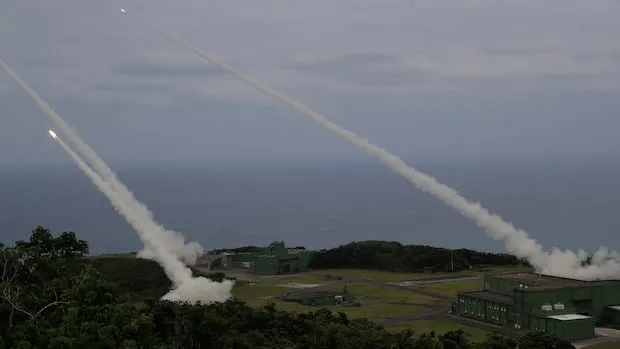
Canada is quietly locked into a HIMARS deal without a formal announcement, raising questions about military procurement transparency. The U.S. State Department approved Canada’s potential purchase last October, paving the way for significant military modernization.
The Pentagon recently announced a $1.1 billion contract with Lockheed Martin to manufacture M142 HIMARS for several allied nations, including Canada. This contract will see a total of 17 HIMARS units produced, expected to be completed by the end of April 2028.
Initially, Canada expressed interest in acquiring 26 HIMARS systems, which are crucial for enhancing the Canadian Army’s capabilities and ensuring troop defense in Latvia. Lt.-Gen. Mike Wright emphasized, “The HIMARS system is the long-range precision strike system that we need for land operations.” This indicates a strong belief in the value of these systems for current and future military engagements.
Other countries are also investing in HIMARS systems. Australia has opted for the PrSM-HIMARS combination for maritime strike capabilities, while Estonia and Sweden have placed recent orders as well—three HIMARS for Estonia and 20 for Sweden.
The estimated cost of the HIMARS deal for Canada stands at $2.4 billion. However, uncertainties linger regarding how many systems will be delivered to the Canadian Armed Forces and the timeline for their arrival.
Dave Perry noted that notifications like these indicate that formal paperwork has been signed, yet the public remains largely unaware of these developments until official announcements are made.
This lack of transparency raises important questions about defense procurement processes in Canada and how they align with public interest and accountability.