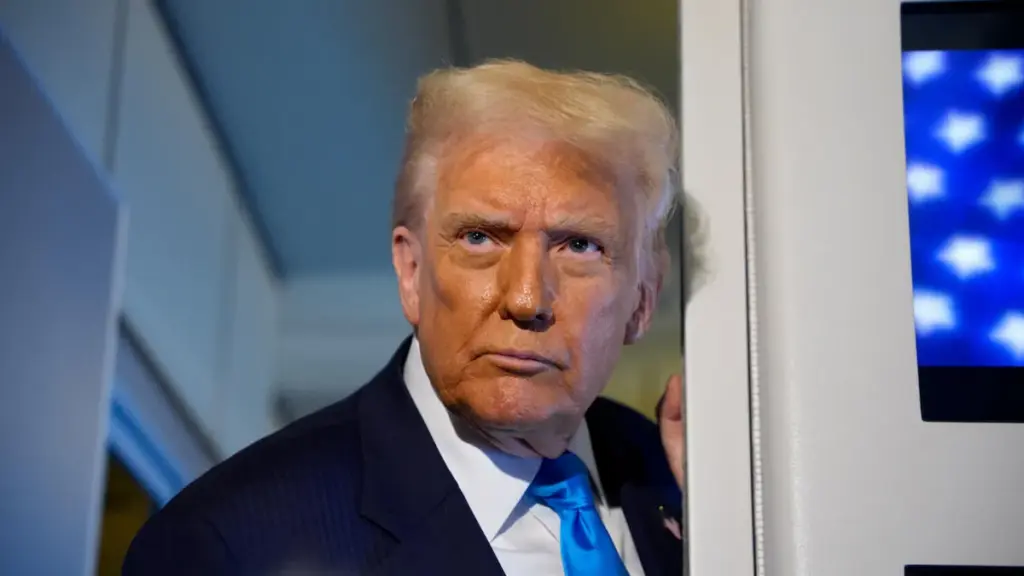
On March 17, 2026, tensions surrounding Cuba intensified as former President Donald Trump made headlines with his remarks about the island nation. Just prior to this date, Trump referred to Cuba as a “failed nation” and expressed his desire to “take” Cuba, signaling a potential shift in U.S. policy towards the country.
Marco Rubio, a prominent U.S. Senator, echoed Trump’s sentiments, stating that Cuba needs to get new leadership. This call for change comes amidst a backdrop of ongoing struggles within Cuba, where a nationwide electricity blackout recently affected approximately 10 million people, highlighting the dire state of the country’s infrastructure.
The electricity crisis in Cuba has been exacerbated by a collapsing power network, which has been failing regularly since October 2024. As a result, only about 30% of homes in Havana, a city with a population of 1.7 million, have been reconnected to power following the blackout.
In a related development, Trump hinted at imminent action regarding Cuba, stating, “We’ll be doing something with Cuba very soon.” This statement has raised questions about what specific measures the former president might pursue.
Adding to the complexity of the situation, Cuba’s government announced plans to allow citizens living in exile to invest and own businesses in the country. However, Rubio criticized this announcement, suggesting that it was “not dramatic enough” to address the underlying issues facing the nation.
The U.S. has maintained a trade embargo against Cuba for decades, and a de facto fuel embargo has been in place since the abduction of Venezuelan leader Nicolas Maduro. These measures have contributed to the economic challenges that Cuba faces today.
Óscar Pérez-Oliva Fraga, a representative of the Cuban government, stated, “Cuba is open to having a fluid commercial relationship with U.S. companies and also with Cubans residing in the United States and their descendants.” This statement indicates a potential willingness for greater economic engagement, but the effectiveness of such measures remains to be seen.
As the situation develops, details remain unconfirmed regarding Trump’s proposed actions and the potential replacement for current Cuban President Miguel Diaz-Canel. The future of U.S.-Cuba relations hangs in the balance as both nations navigate these complex issues.