Introduction
The Philippines is one of the countries most affected by typhoons due to its geographic location in the Pacific Typhoon Belt. The arrival of each typhoon brings significant challenges, impacting lives, infrastructure, and the economy. As the nation faces climate change and increasing typhoon intensity, understanding the effects and enhancing disaster preparedness becomes more crucial than ever.
Recent Events
In October 2023, the Philippines experienced a series of typhoons, including Typhoon Nona, which made landfall in Eastern Visayas. Reports indicate that Nona packed winds of up to 150 km/h, leading to widespread evacuations, especially in areas prone to flooding and landslides. The National Disaster Risk Reduction and Management Council (NDRRMC) reported that over 50,000 individuals were displaced as communities sought shelter in evacuation centers.
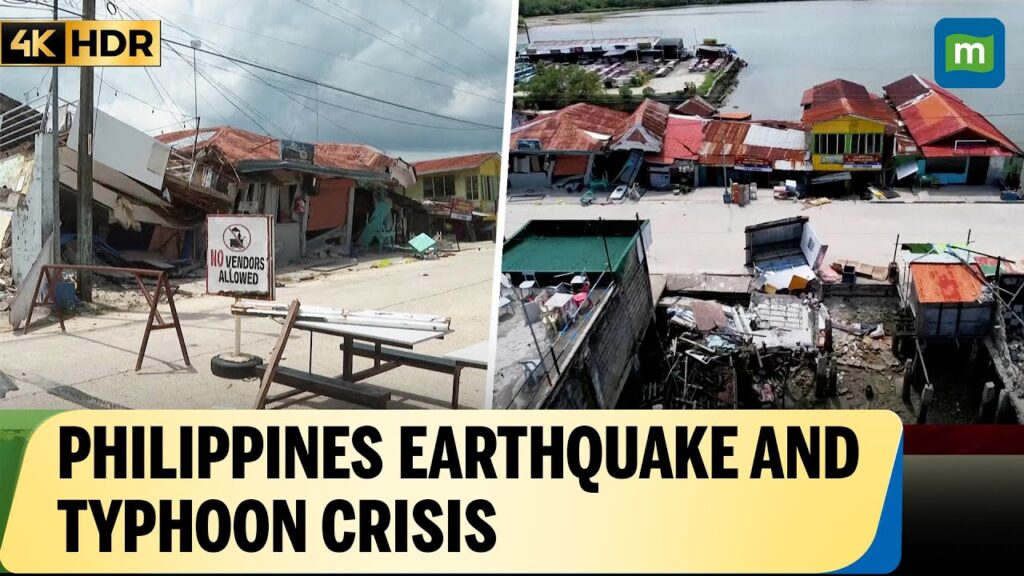
The aftermath of the typhoon revealed significant damage to infrastructure, including power lines, roads, and homes. The Department of Social Welfare and Development (DSWD) has mobilized relief efforts, providing food and necessities to the affected regions. Initial assessments indicate damages could reach millions of pesos, heightening the urgency for both immediate assistance and long-term recovery initiatives.
Community Response and Preparedness
Local governments activated their Disaster Risk Reduction and Management offices to coordinate emergency response. Community volunteer groups have also played a vital role in aiding victims, showcasing the strength and resilience of Filipinos in the face of adversity. However, experts warn that the increasing frequency and strength of typhoons necessitate a more robust approach to disaster preparedness. Increased investment in early warning systems, infrastructure resilience, and community training are essential to mitigate future risks.
Conclusion
The recent typhoons in the Philippines underline the pressing need for enhanced disaster preparedness measures. As climate change intensifies weather patterns, the Philippines must prioritize the development of resilient infrastructures and advanced warning systems to protect its citizens. Authorities and communities must collaborate to fortify strategies that not only respond to immediate crises but also plan for sustainable recovery and risk management, ensuring that communities can withstand future challenges with greater resilience.