Introduction
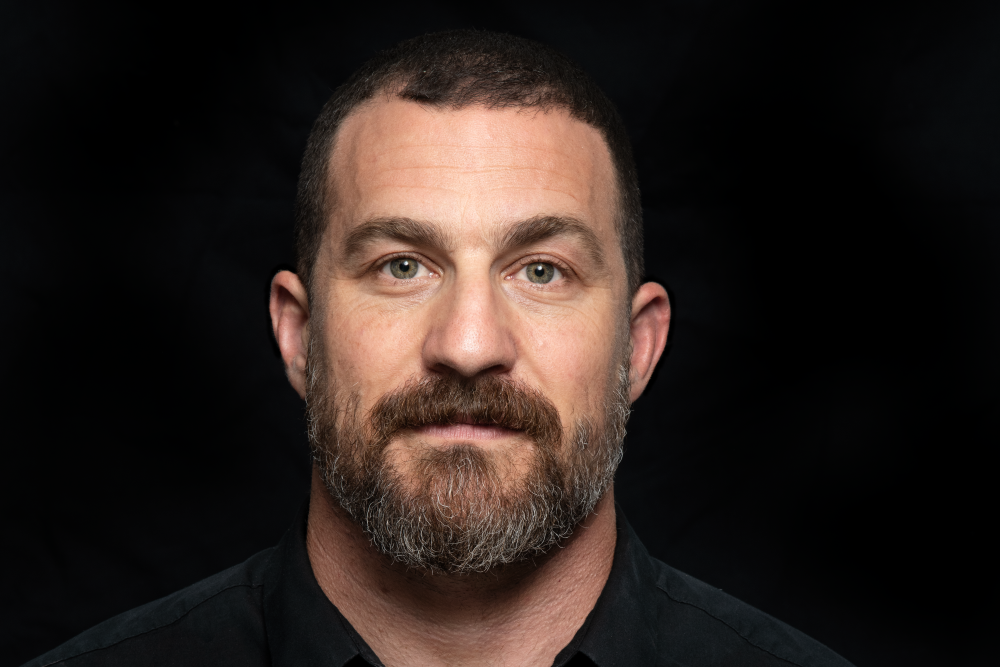
Andrew Huberman, a renowned neuroscientist and professor at Stanford University, has taken the scientific community by storm with his innovative research and engaging public outreach. His work focuses on understanding brain function, behavior, and the impacts of stress and light on mental health. Huberman’s insights are particularly relevant in today’s fast-paced world, where mental well-being is becoming increasingly prioritized.
Recent Contributions and Research
Huberman’s research has provided groundbreaking insights into various aspects of neuroscience, particularly in areas related to visual perception, neural network formation, and the biology of stress. Recently, he has emphasized the importance of natural light exposure for maintaining psychological health and overall well-being. In podcasts and interviews, Huberman discusses how different wavelengths of light can influence our circadian rhythms, consequently affecting mood and productivity.
Huberman has gained a massive following on social media platforms and through his popular podcast, ‘Huberman Lab,’ where he distills complex scientific concepts into digestible information for the general public. His ability to communicate science effectively has made him a valuable resource for both aspiring scientists and anyone interested in enhancing their life through evidence-based practices.
Impact and Popularity
The impact of Andrew Huberman’s work has become evident through various collaborations and discussions he has facilitated surrounding mental health topics. During the COVID-19 pandemic, his insights on managing stress and anxiety through mindful practices were especially pertinent. His advice on techniques such as controlled breathing, cold exposure, and other biohacks has resonated with many people striving to improve their mental health and cognitive function.
Conclusion
As we navigate the complexities of modern life, the significance of Andrew Huberman’s contributions to neuroscience cannot be overstated. His research and public engagement are pivotal for advancing our understanding of how we can harness our brain’s capabilities to enhance our daily lives. Looking forward, Huberman is expected to continue his influential work, pushing the boundaries of neuroscience and contributing to a healthier society through informed practices. His journey exemplifies how science and public knowledge can coalesce to address pressing mental health concerns in contemporary times.