Introduction
BC Hydro is a crucial player in British Columbia’s energy landscape, responsible for providing electricity to over 90% of the province’s residents. With increasing discussions around sustainability and renewable energy, understanding the operations and future planning of BC Hydro becomes increasinglyimportant. This utility not only supports the local economy but also plays a significant role in the province’s commitment to combating climate change by ensuring reliable and sustainable energy sources.
BC Hydro’s Current Operations
As of 2023, BC Hydro serves approximately 1.9 million customers. The service area spans from the U.S.-Canada border in the south to the northern reaches near the Peace River. BC Hydro primarily generates electricity from hydroelectric facilities, which produce over 90% of its electricity, significantly reducing the carbon footprint compared to fossil fuel sources. Recently, BC Hydro announced the completion of the Site C dam project, which has added a considerable amount of energy capacity to its portfolio, designed to provide clean energy to future generations while supporting economic development in the region.
Challenges Ahead
Despite its advancements, BC Hydro faces significant challenges, including aging infrastructure and the increasing demands of a growing population. The provincial government has emphasized the need for modernization and upgrades to ensure the reliability of the energy supply. Additionally, the organization is focused on integrating more renewable energy sources, such as wind and solar, which is essential in moving toward a more diversified and sustainable electricity grid. The rising concerns regarding climate change impacts and extreme weather patterns also necessitate a re-evaluation of risk management strategies and infrastructure resilience.
Future Outlook
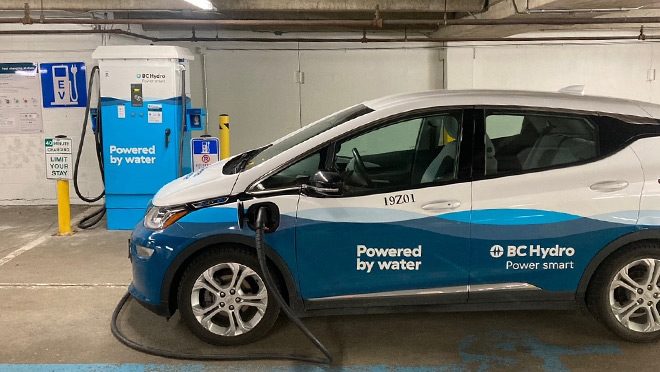
Looking ahead, BC Hydro aims to invest over $20 billion in infrastructure and clean energy projects over the next ten years. This plan includes improving grid stability, expanding customer access to energy-saving programs, and increasing renewable energy sourcing. As citizens and businesses increasingly shift towards electric vehicles and other energy-efficient options, BC Hydro’s role is paramount in supporting their charging needs and electrifying various sectors, including public transportation.
Conclusion
In summary, BC Hydro is much more than a utility provider; it is at the forefront of energy innovation and sustainability efforts in British Columbia. As it tackles the dual challenges of aging infrastructure and climate change, the importance of its operations cannot be overstated. For residents and businesses alike, keeping an eye on BC Hydro’s developments will be crucial as they navigate the future of energy consumption in the province.