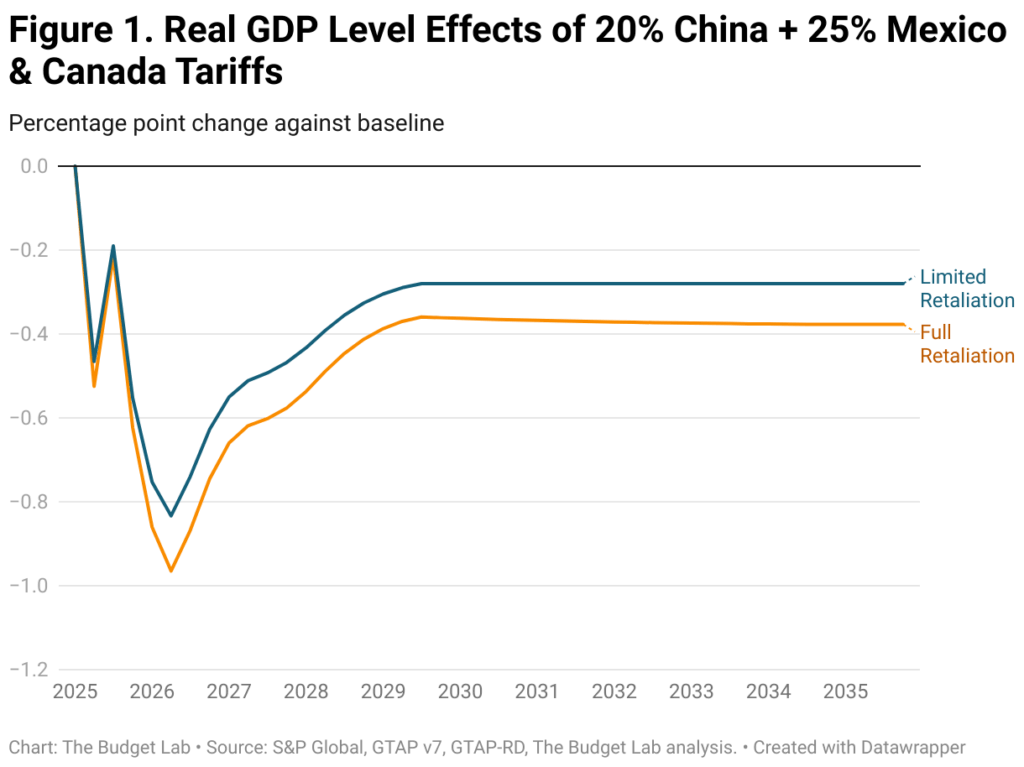
Introduction: The Significance of Canada China Tariffs
Tariffs between Canada and China have been a hot topic in trade discussions, especially as both nations navigate economic complexities post-pandemic. As major players in global trade, changes in tariff regulations can significantly impact businesses, consumers, and the economy in both countries. Understanding these tariffs is essential for stakeholders in industries ranging from agriculture to technology.
Recent Developments in Trade Relations
In recent months, Canada has taken steps to adjust its tariff policy in response to various economic pressures. Following China’s imposition of retaliatory tariffs on Canadian goods in 2019, Canadian officials have been exploring ways to strengthen trade ties while protecting domestic industries. As of September 2023, Canada has announced targeted tariffs on select imports from China, aimed at leveling the playing field for local manufacturers.
The Canadian government has primarily focused on steel and aluminum, which have been subject to scrutiny due to the ramifications of overcapacity in China. According to a recent report from the Department of International Trade, these tariffs are expected to increase costs for importers, and several businesses have voiced concerns about potential price increases for consumers.
Implications for Businesses and Consumers
The recent tariff changes may affect a variety of sectors within the Canadian economy. Agribusinesses that rely on Chinese imports for certain raw materials could face higher production costs, while other industries might welcome the protective measures that make it harder for foreign competitors to undercut local prices.
Moreover, for consumers, these tariffs could lead to increased prices on imported goods from China. Items such as electronics, clothing, and household goods—often seen as staples—could witness a price surge. Economic analysts caution that prolonged tariff disputes could lead to a strained relationship which may further complicate negotiations over future trade agreements.
Conclusion: Looking Ahead
As of October 2023, the trajectory of Canada China tariffs remains uncertain, contingent upon both countries’ willingness to engage in constructive dialogue. Economic analysts predict that the next few months could be pivotal in shaping the future of trade relations between Canada and China. It is essential for businesses and consumers to stay informed as tariff policies evolve, shaping the economic landscape. Stakeholders should prepare for a world where trade tensions could influence market prices and availability, ultimately affecting decisions made at all levels of commerce.