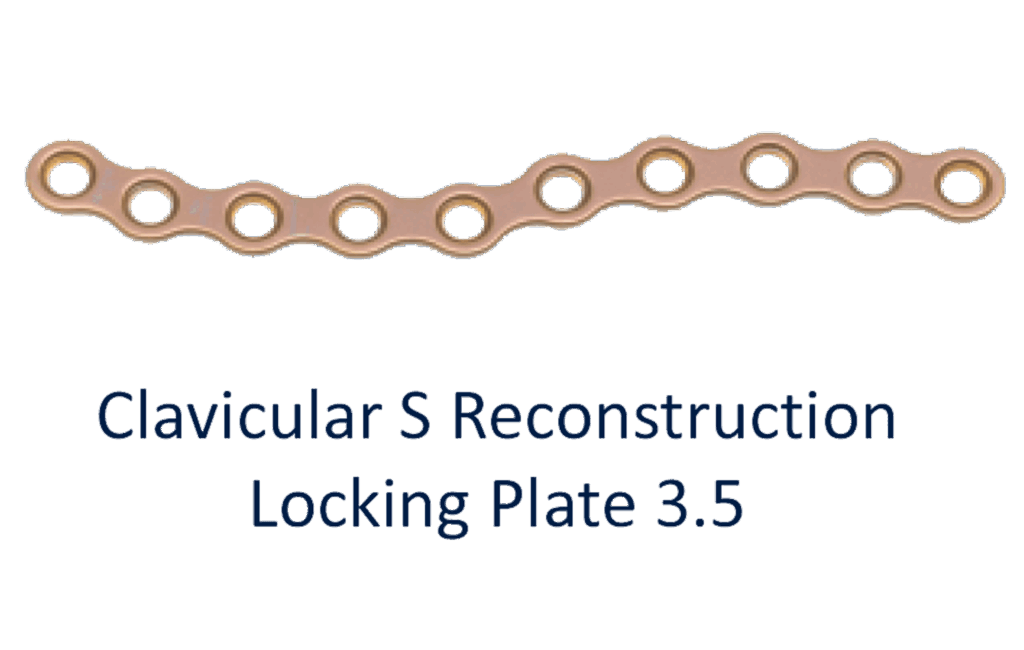
The Importance of the Clavicle
The clavicle, commonly known as the collarbone, plays a crucial role in the structure and function of the human body. It connects the arm to the body and supports shoulder movement. Understanding clavicular health is essential, as injuries to this bone are not uncommon, particularly in sports and accidents.
Common Clavicular Injuries
We often hear of clavicular injuries, especially in active individuals. One of the most prevalent injuries is a clavicle fracture, which can occur during falls, sports accidents, or direct impacts. According to the Canadian Orthopaedic Association, clavicle fractures account for approximately 5-10% of all fractures.
Another injury includes acromioclavicular (AC) joint separations, where the clavicle separates from the acromion of the scapula due to trauma. This condition can result from high-impact sports such as football, hockey, or cycling.
Symptoms and Diagnosis
Individuals with clavicular injuries often experience symptoms such as severe pain, swelling, and limited range of motion in the shoulder. In cases of fractures, one may also notice a visible deformity. Diagnosing these injuries typically involves physical examinations followed by imaging tests like X-rays or MRIs to assess the extent of the damage.
Treatment and Recovery
Treatment for clavicular injuries largely depends on the severity of the injury. Minor fractures and AC joint separations may be managed with conservative methods such as rest, ice application, and physical therapy. The use of a sling can provide support during the healing process. In more severe cases, surgical intervention might be necessary to realign the bone and stabilize it using plates or screws.
Recovery often takes several weeks, and physical therapy plays a vital role in restoring shoulder functionality and strength. Engaging with healthcare professionals early on is crucial to ensuring a smooth recovery.
Conclusion
Understanding the significance of the clavicle and the implications of injuries can encourage individuals to take preventive measures, especially athletes at risk of shoulder injuries. Regular strengthening exercises, maintaining proper technique in sports, and being aware of one’s surroundings can significantly reduce the risk of clavicular injuries. For anyone experiencing symptoms of a clavicular injury, consulting a healthcare provider promptly can lead to a better treatment outcome and a quicker return to daily activities.