The Importance of Tracking COVID Symptoms
As the world continues to navigate the effects of the COVID-19 pandemic, understanding the symptoms associated with the virus remains crucial. In 2025, as we strive to return to normalcy, being informed about COVID symptoms is not only vital for personal health but also for public safety. The ongoing mutations of the virus necessitate awareness of any changes in the symptoms associated with COVID-19.
Current COVID Symptoms Profile
As of 2025, the symptoms of COVID-19 have evolved alongside the virus itself. Health authorities, including the World Health Organization (WHO) and the Centers for Disease Control and Prevention (CDC), note that while traditional symptoms like fever, cough, and shortness of breath are still relevant, newer variants have introduced additional or altered symptoms among infected individuals. These may include:
- Loss of taste or smell
- Fatigue and extreme tiredness
- Muscle or joint pain
- Headaches
- Gastrointestinal issues, such as nausea or diarrhea
- Skin rashes and other dermatological symptoms
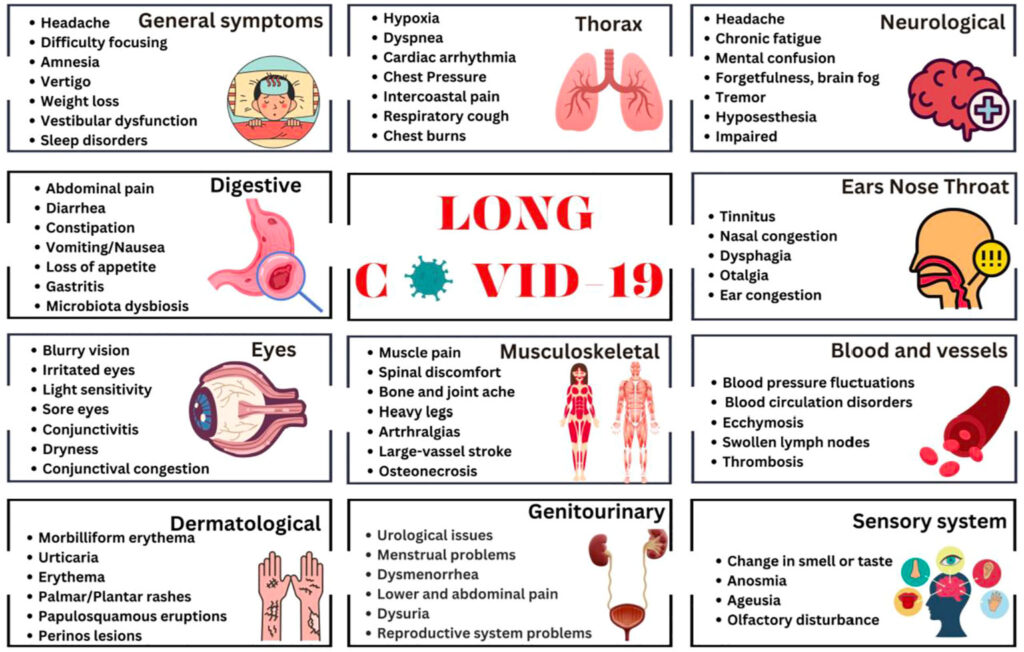
Furthermore, emerging studies indicate that some individuals may experience long-term effects, known as ‘long COVID’, leading to persistent fatigue, respiratory issues, and neurological symptoms even after the acute phase of the infection has resolved.
Public Health Guidelines
In response to these developments, public health officials continue to emphasize the importance of vaccinations and boosters as key methods to reduce severity and mitigate the spread of COVID-19. The vaccines currently in use have been updated to target variants effectively, leading to decreased transmission rates in many areas. It is recommended that individuals remain up-to-date with vaccinations, follow local health guidelines, and self-monitor for any symptoms that may arise.
Conclusion: Staying Vigilant in 2025
With the landscape of COVID-19 symptoms continuing to shift in 2025, vigilance is paramount. Recognizing and responding to symptoms promptly can not only enhance individual health outcomes but also contribute to community well-being. As new variants emerge, ongoing education and awareness are essential. Keeping informed about the latest findings on COVID-19 and prioritizing preventive measures will remain critical as we navigate the post-pandemic world.