Introduction
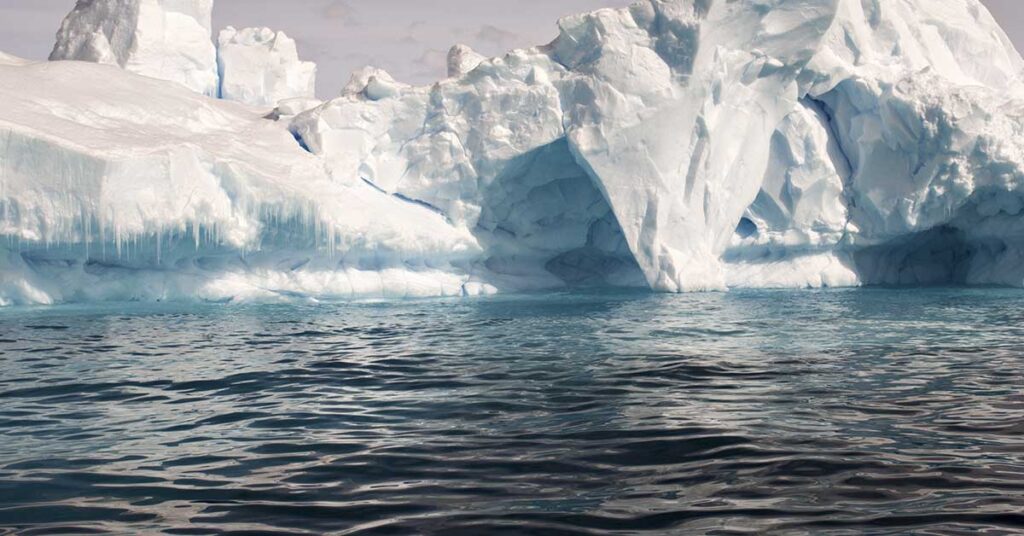
The Doomsday Glacier, also known as Thwaites Glacier, is a massive ice formation located in West Antarctica. Its significance has surged in recent years due to growing concerns about climate change and rising sea levels. Scientists warn that the melting of this glacier could lead to catastrophic consequences worldwide, making it a crucial topic of discussion among environmentalists, researchers, and global leaders.
What is Doomsday Glacier?
Doomsday Glacier is about the size of Florida and has been a focal point for researchers studying the impacts of climate change. It is particularly of concern because it acts as a barrier, holding back other glaciers in the West Antarctic Ice Sheet. If Thwaites were to collapse, it could potentially trigger a rapid destabilization of the entire region, leading to an increase in sea levels by several feet over the next century.
Recent Findings
Recent studies indicate that the glacier is melting at an alarming rate. According to research published in 2023, scientists found that warm ocean water is eroding its ice shelves, contributing to increased melting. The melting of the Doomsday Glacier is now estimated to add around 4% to global sea-level rise. Furthermore, projections suggest that the entire glacier could contribute more than three meters to sea-level rise if it collapses entirely.
Global Implications
The implications of melting glaciers extend beyond environmental concerns; they impact economies, ecosystems, and human populations around the globe. Coastal cities face increased flood risks, and countries with flat terrain could experience devastating consequences, including loss of land and displacement of populations. With world leaders meeting to tackle climate change, the situation surrounding the Doomsday Glacier emphasizes the urgency for international collaboration on climate initiatives.
Conclusion
As the effects of climate change become increasingly dire, understanding the dynamics of the Doomsday Glacier and its potential impact on global sea levels is paramount. Researchers are urging for immediate action to curb carbon emissions and invest in sustainable technologies. The fate of Doomsday Glacier can significantly influence our planet’s future, making it essential for individuals, communities, and nations to be aware of and actively participate in combating climate change.