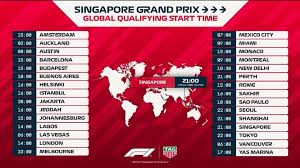
The Significance of F1 Qualifying Time
The qualifying session in Formula 1 is a critical component of each race weekend. It determines the starting positions for the race, making it a fundamental aspect of the sport. In 2023, the competition has intensified, with teams striving to secure advantageous spots on the grid to increase their chances of victory. The significance of qualifying time cannot be overstated, as it sets the tone for the race and can often predict the potential success of the drivers.
Recent F1 Qualifying Highlights
As of October 2023, the F1 qualifying sessions have delivered a series of thrilling outcomes. For example, the qualifying rounds in the recent Singapore Grand Prix showcased spectacular performances from both seasoned drivers and rising stars. Max Verstappen and Charles Leclerc engaged in a nail-biting battle for pole position, with Verstappen ultimately clocking a time of 1:30.569, securing his place at the front of the grid.
Similarly, the Japanese Grand Prix qualifying session highlighted the competitive nature of the sport, as several teams showed significant improvements in their lap times due to upgrades and strategic changes. Notably, Lewis Hamilton managed to qualify in the top three, showcasing the resilience of the Mercedes team despite a challenging season.
How Qualifying Times Impact Race Day
The impact of qualifying times extends beyond just the starting grid. Historically, starting from pole position provides an advantage that can significantly influence race outcomes. This season, data shows that drivers starting from the front have won over 70% of races, emphasizing the importance of qualifying results. The ability to navigate the first few laps without the interference of traffic can give drivers the breathing room necessary to build a lead and defend against competition.
Looking Ahead: The Future of Qualifying in F1
As the F1 season progresses, upcoming races in the United States and Mexico are highly anticipated. Fans and teams alike are eager to see how qualifying times will evolve and what strategies will emerge. The introduction of new qualifying formats, such as ‘sprint qualifying,’ has also added an exciting dimension to the traditional format, allowing teams to adapt their strategies based on the unique challenges of each track.
Conclusion
In conclusion, F1 qualifying time is not merely a statistic but a crucial element that shapes the dynamics of each race. As teams continue to develop their cars and refine their strategies, the importance of securing a top qualifying position will remain paramount. Fans are encouraged to follow qualifying sessions closely, as they not only determine grid positions but also hint at the thrilling narratives waiting to unfold on race day.