Introduction
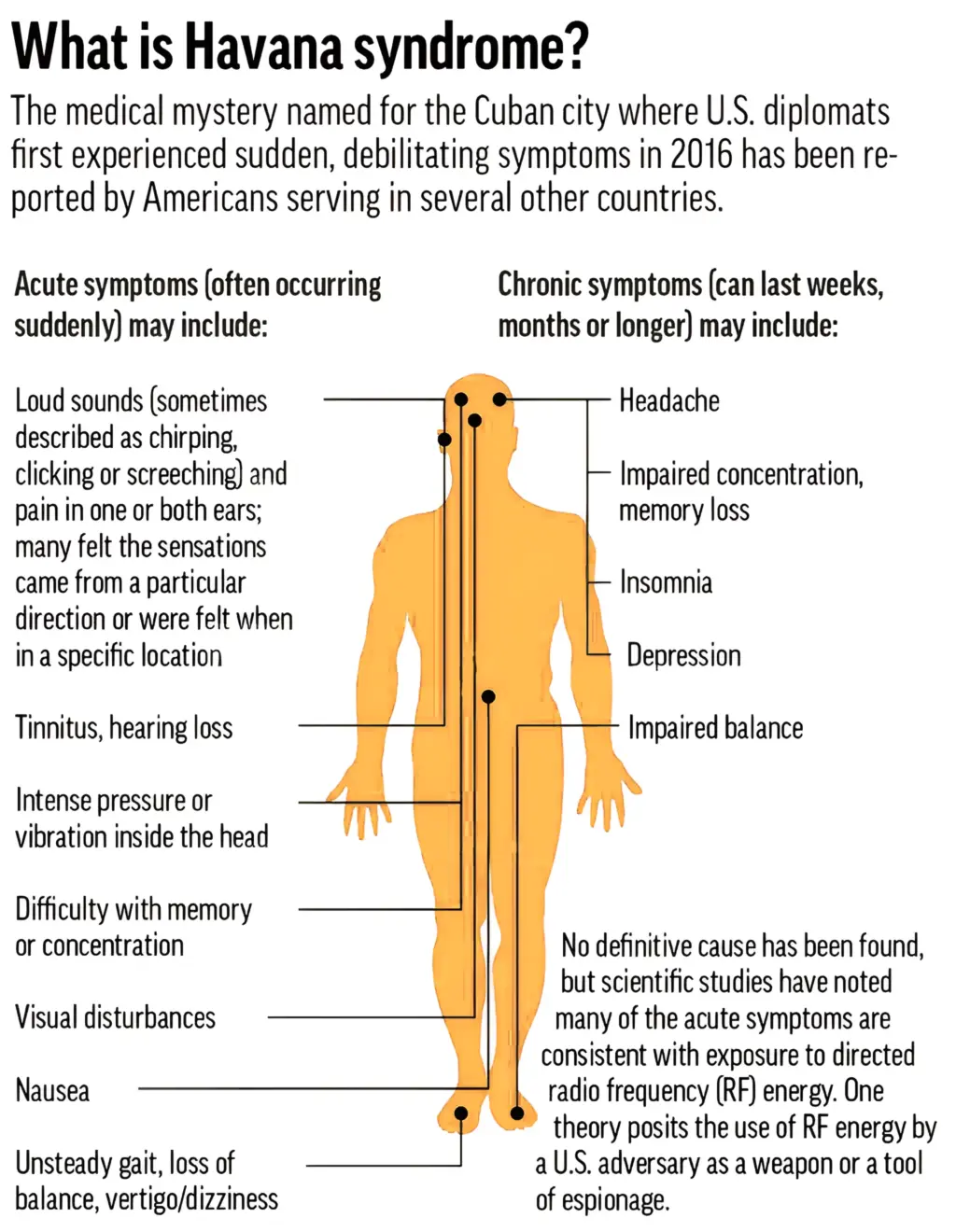
The phenomenon known as Havana Syndrome has garnered significant attention since it was first reported in 2016 by U.S. diplomats in Cuba. Characterized by a range of unexplained medical symptoms, including headaches, nausea, and cognitive impairments, this condition has raised questions about the safety of diplomats abroad and the potential for foreign interference. Understanding Havana Syndrome is crucial as it may affect diplomatic operations and international relations.
Main Body
Initially observed in U.S. and Canadian embassy staff in Havana, the symptoms of Havana Syndrome have since been reported by individuals in countries across the globe, including Russia, China, and Uzbekistan. The U.S. government has acknowledged these incidents, with over two hundred cases recorded by the end of 2022. The causes of the syndrome remain unclear; some theories suggest potential exposure to sonic weapons or other covert attacks, while others lean towards psychological factors.
In July 2022, the U.S. State Department announced that they have invested significant resources into studying Havana Syndrome, leading to the creation of a task force aimed at addressing the medical needs of affected individuals and investigating the incidents more thoroughly. The findings of these investigations are crucial, as they aim to determine whether there is a common cause for the symptoms experienced by the affected diplomats. Furthermore, the intelligence community continues to evaluate risks to personnel stationed in sensitive locations worldwide.
Despite ongoing inquiries, those affected by Havana Syndrome struggle with physical and psychological challenges that can greatly impact their daily lives. Reports reveal that many individuals receiving treatment continue to grapple with lingering symptoms, raising concerns about appropriate medical care and support systems in place for diplomatic staff.
Conclusion
The ongoing investigation into Havana Syndrome highlights the complexities of health risks faced by diplomats and the potential occurrence of unusual incidents in international affairs. As more information becomes available, it is essential for diplomatic agencies to implement safety protocols and ensure robust healthcare support for affected individuals. The phenomenon not only underscores the need for vigilance in global diplomacy but also serves as a reminder of the intricate relationship between health and national security. Continued research and open communication about incidents like Havana Syndrome will be vital as we work towards ensuring the safety of diplomats worldwide.