Introduction
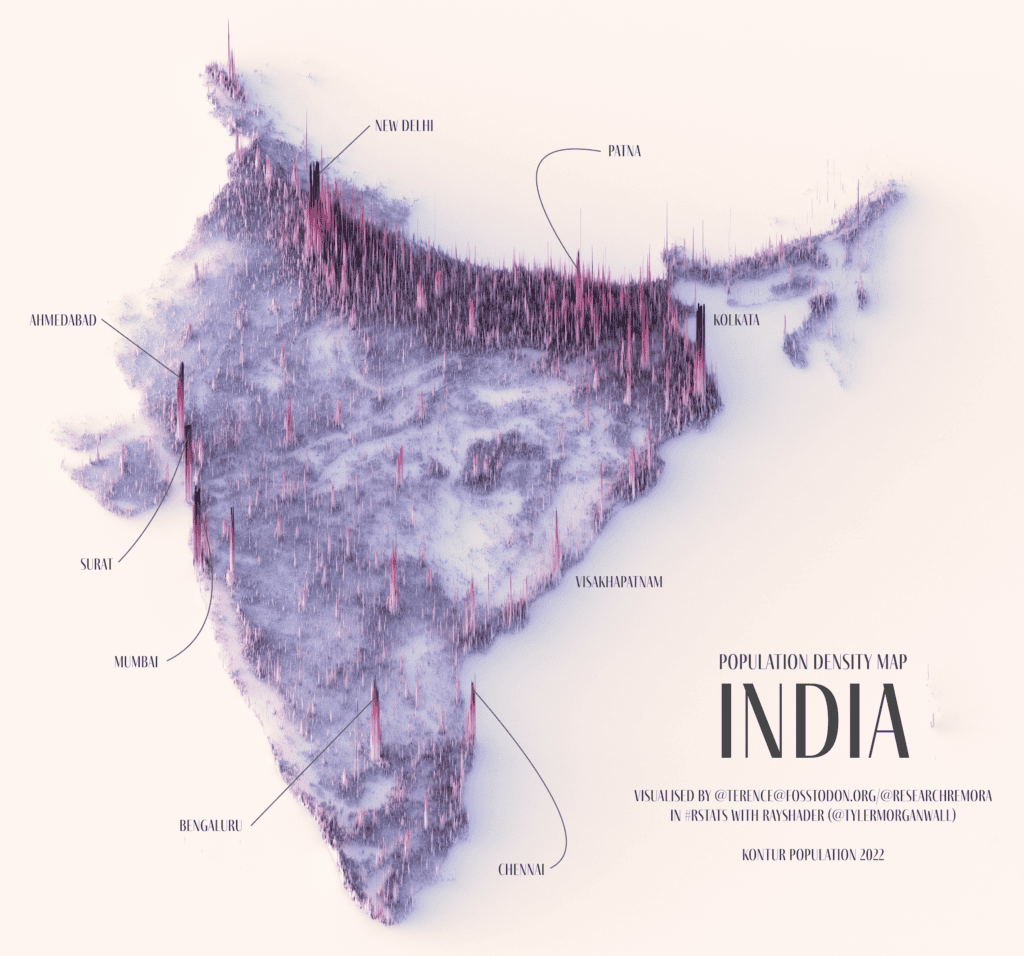
The population of India, currently exceeding 1.4 billion, is a crucial factor in understanding the country’s economic and social dynamics. As the world’s second-most populous country, India plays a significant role in global discussions around resource management, urbanization, and demographic changes. In 2023, this topic holds particular relevance as India is expected to surpass China as the most populous nation, reshaping geopolitical paradigms and economic strategies.
Current Population Statistics
According to the latest census data and estimates from the United Nations, India’s population is projected to reach 1.42 billion by the end of 2023. Recent reports indicate that while the growth rate has slowed down significantly, the sheer size of the population presents unique challenges. The population density in urban areas, especially in megacities like Mumbai and Delhi, is soaring, leading to overcrowding, pollution, and strain on infrastructure.
Demographic Changes
India’s demographic profile is diverse and rapidly changing. The country boasts a large youth workforce segment, with over 65% of its population below the age of 35. This demographic dividend, if harnessed effectively, can lead to substantial economic growth. However, it also necessitates adequate investment in education, skills training, and job creation to avoid high unemployment rates.
Social Implications
The vast population brings with it a variety of social challenges, including poverty, health care access, and educational disparities. According to the World Bank, India still faces significant inequalities, with millions living below the poverty line. Additionally, public health systems are under severe pressure due to the high population numbers, complicating efforts to manage health crises like the COVID-19 pandemic.
Conclusion
As India stands on the brink of becoming the most populous country, it’s imperative that the government, policymakers, and citizens take comprehensive steps to address the challenges and leverage the opportunities presented by this demographic shift. Investment in infrastructure, healthcare, and education will be key to ensuring a stable future. The significance of understanding these trends cannot be understated, as they will influence not only India’s domestic policies but also its role on the global stage in the coming years.