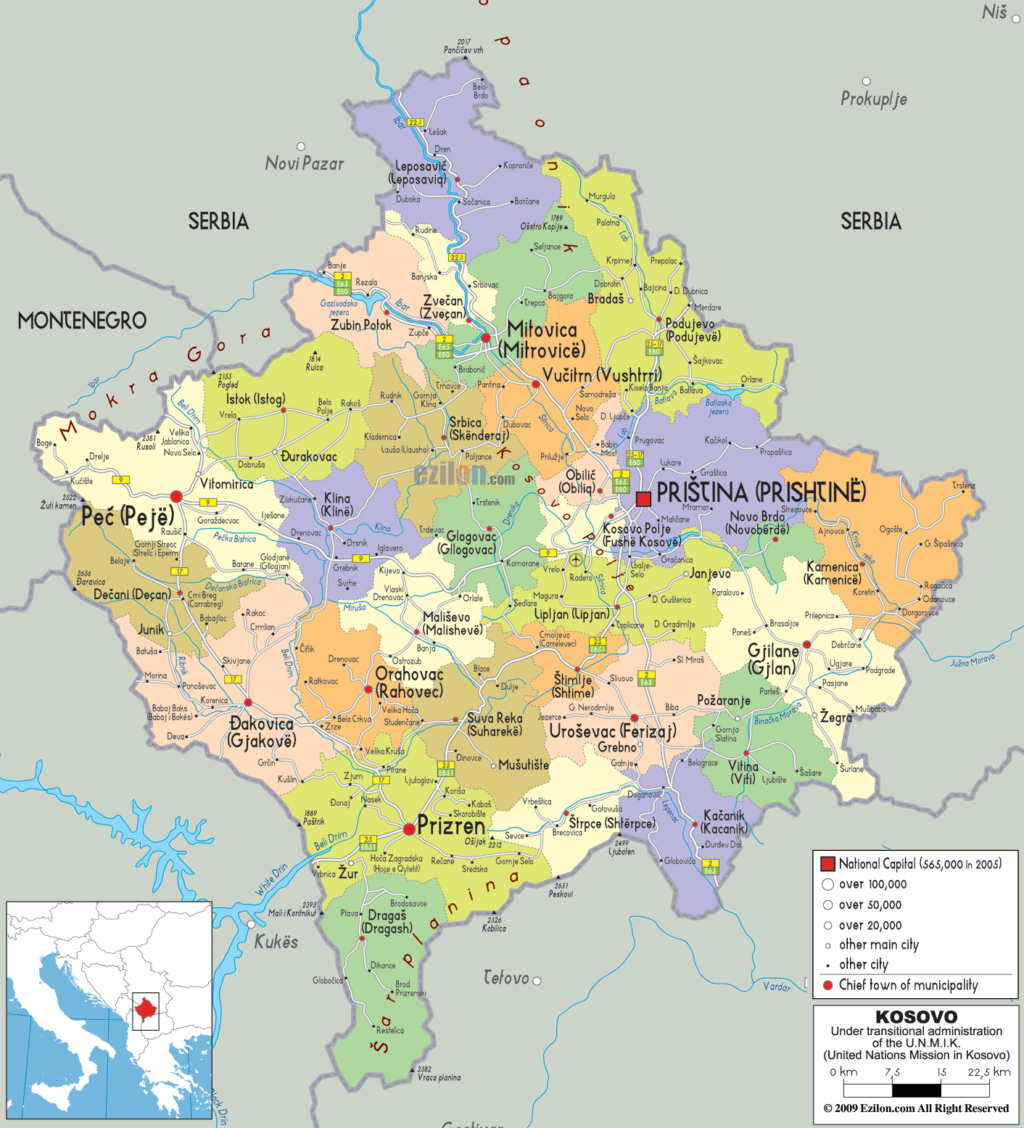
Introduction
Kosovo, a landlocked territory in the Balkans, has been a focal point of political and ethnic tensions since it declared independence from Serbia in 2008. Its status remains a contentious issue in international relations, impacting not only the region but also broader geopolitical dynamics. Understanding the current situation in Kosovo is vital for grasping the complexities of Balkan politics and international diplomacy.
Current Developments
Recently, Kosovo has been in the news due to escalating tensions between the Serbian and Albanian communities, especially in the northern regions bordering Serbia. In September 2023, clashes erupted between Serbian nationalist groups and Kosovo police following a series of controversial local elections in predominantly Serb areas. The increased militancy reflects not only local frustrations but also the broader, unresolved tensions between Serbia and Kosovo.
The European Union’s role in mediating these conflicts seems critical. The EU has facilitated numerous dialogue sessions aimed at normalizing relations between Belgrade and Pristina. However, the results have been inconsistent, with both sides blaming each other for the slow progress.
Important Events
In recent months, Kosovo has also seen significant political changes. The government led by Prime Minister Albin Kurti has emphasized a pro-Western stance, seeking closer ties with NATO and the EU. However, this has not come without criticism. Some analysts argue that Kurti’s policies have been more divisive than unifying, particularly in regards to the ethnic Serb minority.
Moreover, Kosovo’s efforts to join international organizations, such as Interpol and UNESCO, have faced resistance, primarily from Serbia and its allies. The lack of international recognition from several countries complicates these ambitions and hampers Kosovo’s ability to assert itself globally.
Conclusion
As Kosovo continues to navigate its path toward stability and recognition, the challenges it faces loom large. The interplay of local politics, ethnic tensions, and international diplomacy will continue to shape its future. For residents of Kosovo, the hope is for a peaceful coexistence between communities and greater integration into European structures. Observers predict that the situation in Kosovo will remain volatile, requiring ongoing attention from international actors to avoid further escalation of conflicts.