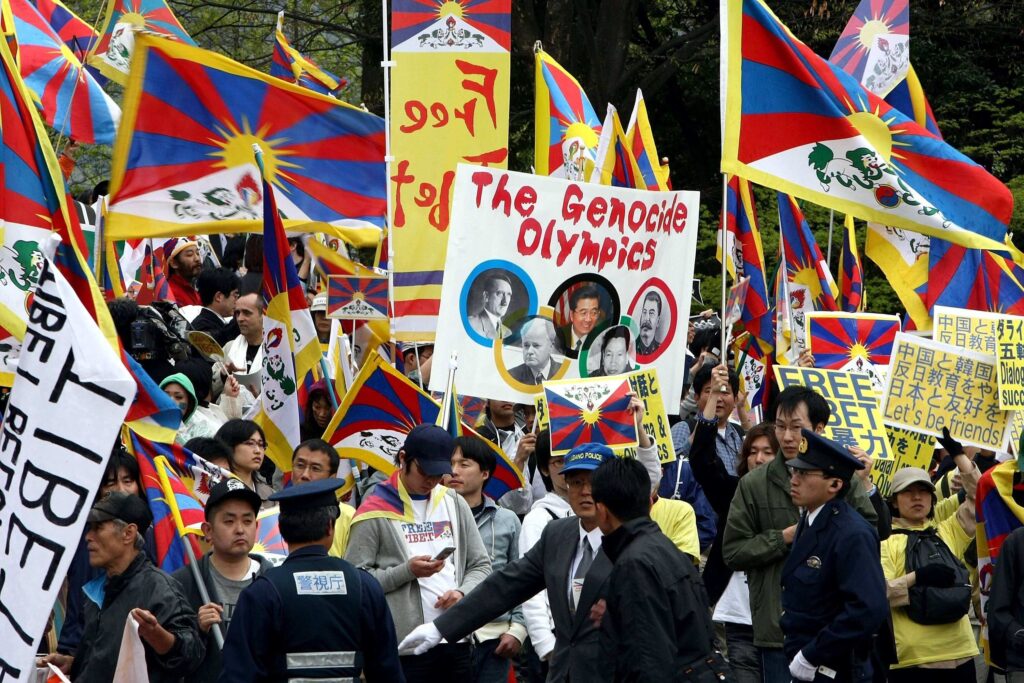
The Importance of Olympics Protests
As the world prepares for the upcoming Olympic Games, the topic of protests and activism surrounding this global event has increasingly become a focal point. Protests during the Olympics are not only a display of social and political dissent but also an important platform for raising awareness on pressing issues. In an era where athletes are increasingly vocal about social justice, it’s essential to examine the implications and significance of these protests.
Recent Events and Background
In recent years, Olympic protests have gained attention due to high-profile athletes using their platform to raise awareness about various social issues. For instance, during the Tokyo 2020 Olympics, athletes like American sprinter Gwen Berry protested against racial injustice by turning away from the national anthem. Similarly, in past Olympic Games, athletes have raised fists, worn activist clothing, or made statements about issues such as police brutality, climate change, and gender equality.
The International Olympic Committee (IOC) has guidelines that restrict political gestures at the games. However, these restrictions have sparked debate about freedom of expression and the role of athletes as voices for change. With the Paris 2024 Olympics around the corner, discussions about potential protests are heating up again, especially in the context of current global issues.
The Reactions to Protests
Protests at the Olympics often elicit mixed reactions. Some view them as a necessary means of drawing attention to critical issues, while others argue that the Olympic Games should remain a politically neutral celebration of sportsmanship. Various organizations, including the IOC, have expressed concerns about the potential for protests to overshadow athletic achievements and disrupt the spirit of the games.
In recent surveys among athletes, many have expressed a desire for more freedom to voice their opinions, indicating a shift toward supporting activism within sports. The growing acceptance of protests is evident in the conversations around the upcoming games, with many sporting federations adapting their stance on athlete activism.
Conclusion and Future Implications
The future of Olympics protests remains uncertain but undoubtedly significant. As the Olympic Games approach, it is likely that discussions around athletes’ rights to protest will gain further traction. The potential for protests could change the narrative of the games, transforming them into more than just a showcase of athletic excellence but also a stage for social change. Readers should remain attentive to how these dynamics unfold, as they will reflect broader societal movements and impact perceptions of both the Olympics and the athletes who participate in them.