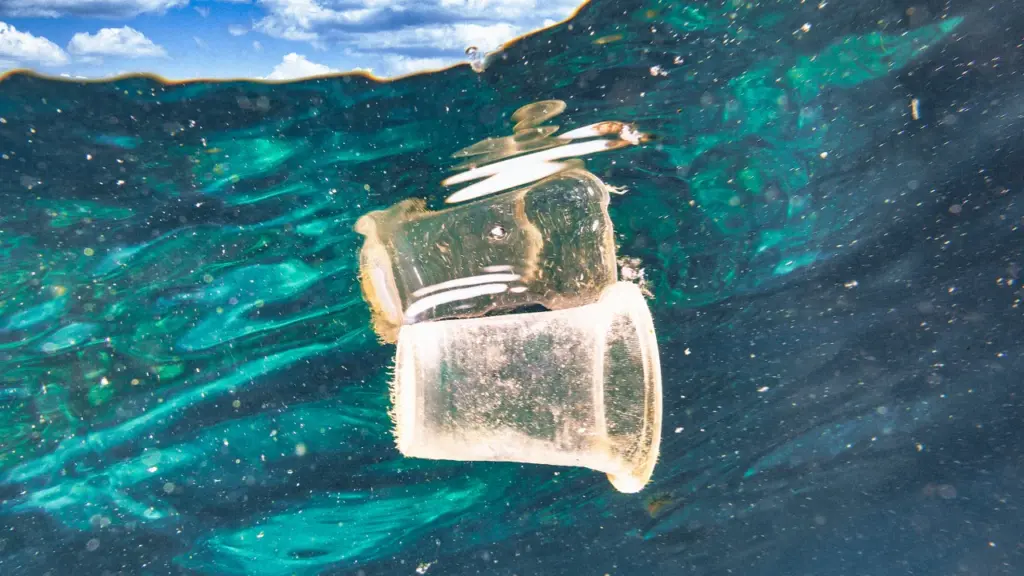
The Importance of Plastic Bans
Plastic pollution has become a critical environmental issue globally, with Canada being no exception. As the nation grapples with the impact of plastic waste on ecosystems and human health, numerous provinces and municipalities have begun implementing plastic bans. These bans are aimed at reducing single-use plastics and promoting more sustainable alternatives, making it essential to grasp their significance and developments in recent times.
Recent Legislative Developments
In June 2022, the Canadian government announced a comprehensive plan to ban harmful single-use plastics nationwide. This initiative includes items such as plastic bags, straws, stir sticks, and six-pack rings. The federal government aims to work alongside provinces and territories to ensure a coordinated approach in transitioning to sustainable alternatives.
On a provincial level, British Columbia has led the way by introducing legislation that prohibits the distribution of plastic shopping bags across the province. The following ban on single-use items will be complemented by support programs aimed at aiding local businesses in transitioning to eco-friendly options.
Impact on Businesses and Communities
The implementation of plastic bans has prompted various responses from businesses and communities. While many retailers have made strides in adopting reusable products, others express concern about the immediate economic impact. Local businesses, particularly small enterprises, often face higher costs when switching to sustainable alternatives, making it crucial for governments to provide support during the transition.
Environmental and Social Implications
The environmental benefits of plastic bans are significant. Reducing plastic waste can lead to a decrease in pollution in waterways and oceans, benefitting marine life and preserving biodiversity. Additionally, these bans can also enhance community awareness around environmental sustainability.
Looking Ahead
As the plastic ban movement gains momentum, forecasts indicate that more municipalities and provinces will follow suit, with tighter regulations on plastic usage expected in the coming years. The success of these bans will rely heavily on public compliance and the availability of alternative products.
In conclusion, Canada’s push towards banning plastic is vital for fostering an environmentally sustainable future. As citizens become more aware of their consumption patterns and embrace changes, there is reason to believe that the nation can make substantial progress in its quest to mitigate plastic pollution.