Introduction
Puerto Rico, a Caribbean island with a diverse heritage and vibrant culture, is currently navigating significant economic challenges while striving for recovery and growth. Its unique political status as a territory of the United States makes it a focal point of interest for policymakers, businesses, and travelers alike. Given the recent developments on the island, it is essential to understand Puerto Rico’s current socio-economic landscape and its implications for residents and investors.
Current Economic Situation
As of late 2023, Puerto Rico is working to overcome a decade-long financial crisis exacerbated by hurricanes, the COVID-19 pandemic, and ongoing population decline. The island filed for bankruptcy under Title III of the Puerto Rico Oversight, Management, and Economic Stability Act (PROMESA) in 2017, which enabled it to restructure over $70 billion in debt. Recovery efforts have been buoyed by federal aid and resilience strategies focusing on infrastructure rebuilding and economic diversification.
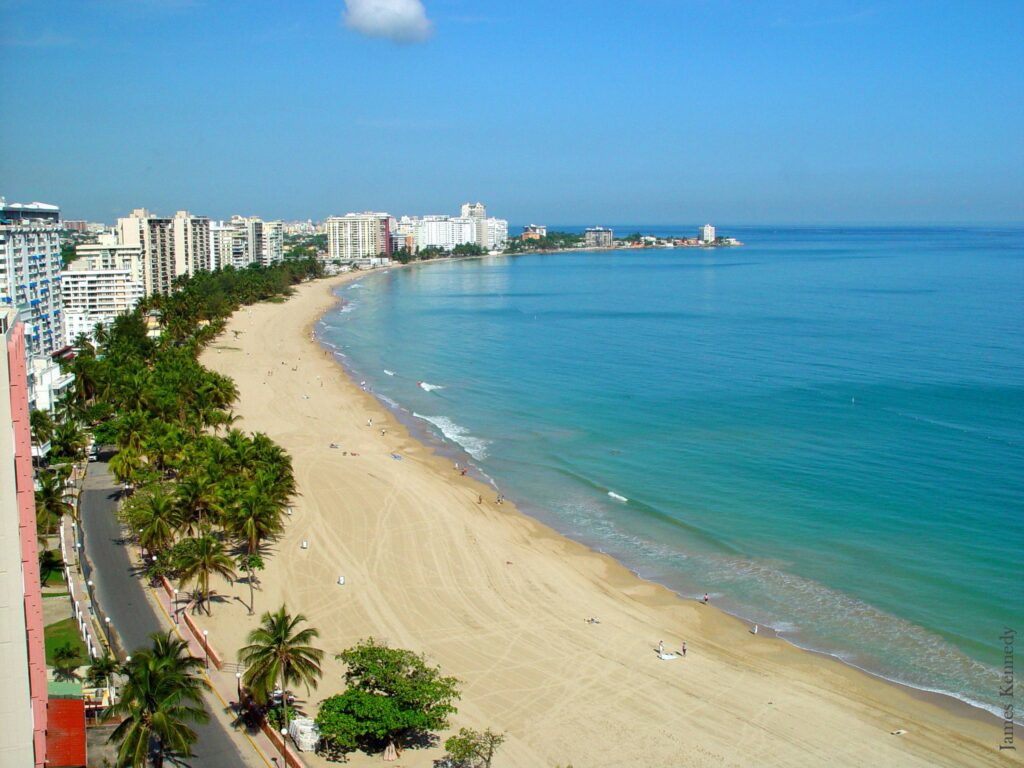
Recent reports indicate that the economy is slowly recovering, with tourism playing a crucial role. In 2023, Puerto Rico saw a surge in visitors, thanks to its beautiful beaches, rich cultural festivals, and historic sites. The tourism sector, which contributes more than 10% to the island’s economy, is essential for creating jobs and generating revenue.
Cultural Significance
The cultural fabric of Puerto Rico is a rich tapestry woven from Indigenous Taíno, Spanish, African, and American influences. The annual San Sebastián Street Festival and the world-famous Bacardi Rum distillery tours highlight the vibrant traditions that attract tourists worldwide. Moreover, Puerto Rico’s music, especially genres like reggaeton and salsa, continues to make significant waves on the global stage, further enhancing its cultural relevance.
Political Context and Future Outlook
Puerto Rico’s political status remains a contentious issue, with ongoing discussions about statehood versus independence continuing to divide opinions among residents. As elections approach, local leaders are emphasizing economic growth, social equity, and infrastructure improvements as key priorities. The U.S. Congress’s decisions regarding Puerto Rico’s long-term financial aid and political status will also shape its future.
Conclusion
Puerto Rico stands at a crossroads: while it faces significant challenges, its rich culture and ongoing recovery efforts highlight the resilience of its people. The island’s ability to harness its tourist potential and navigate economic restructuring may well determine its future. For readers interested in travel, investment, or cultural exploration, Puerto Rico remains an essential destination, impacted by its complexities yet full of opportunity.