Introduction
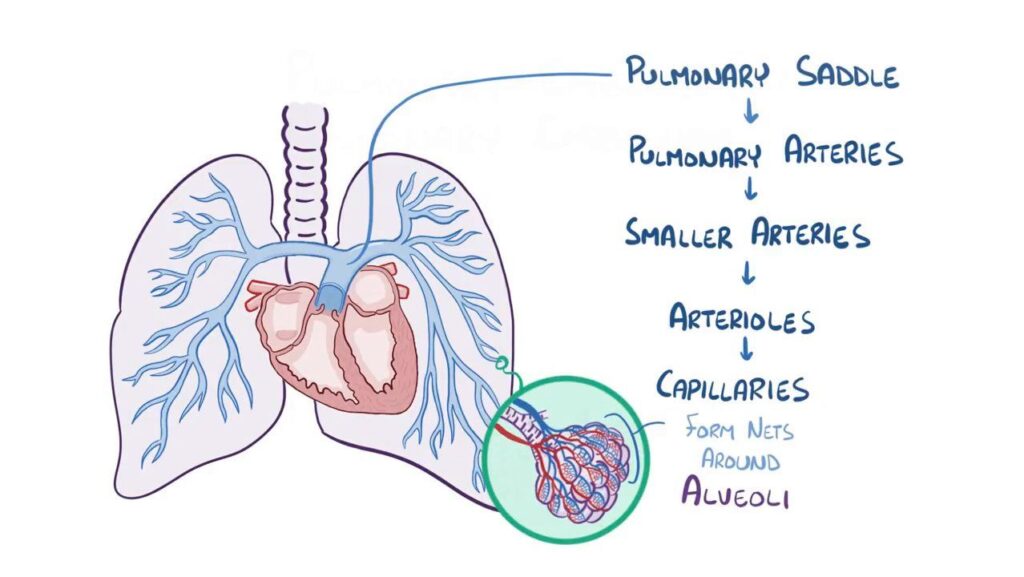
Pulmonary embolism (PE) is a serious medical condition that occurs when a blood clot blocks a pulmonary artery in the lungs, leading to obstructed blood flow. It is crucial to understand the causes, symptoms, and treatments associated with PE due to its potential to cause severe complications or death. With recent studies indicating an increase in PE cases, particularly among individuals with pre-existing conditions, this topic remains highly relevant to public health.
What is Pulmonary Embolism?
Pulmonary embolism is often a result of deep vein thrombosis (DVT), where blood clots form in the deep veins of the legs and then dislodge, traveling to the lungs. According to the Centers for Disease Control and Prevention (CDC), more than 900,000 people in the United States experience DVT and PE every year, with approximately 100,000 deaths attributed to PE annually.
Causes and Risk Factors
The primary cause of pulmonary embolism is the presence of blood clots in the deep veins, but several risk factors can increase susceptibility:
- Prolonged immobility, such as long flights or bed rest
- Certain medical conditions like heart disease, cancer, and clotting disorders
- Surgery, particularly orthopedic procedures such as knee or hip replacement
- Hormonal therapies, including birth control pills and hormone replacement therapy
- Obesity and advanced age
Symptoms and Diagnosis
Symptoms of pulmonary embolism can be variable but often include shortness of breath, chest pain, rapid heartbeat, and coughing up blood. In many cases, symptoms can develop suddenly and intensively. Because these symptoms may be mistaken for other conditions like anxiety or heart disease, accurate diagnosis often requires imaging tests such as CT scans or ultrasound to confirm the presence of clots.
Treatment Options
Treatment for pulmonary embolism typically involves anticoagulant medications, which help prevent further clotting. In severe cases, thrombolytic therapy may be needed to dissolve the clots. Research indicates the necessity of timely intervention, as prompt treatment significantly improves outcomes.
Conclusion
Understanding pulmonary embolism is critical for timely recognition and treatment. Awareness of the risk factors and symptoms may save lives by encouraging individuals to seek medical attention early. As public dialogue continues and research advances, it is essential for individuals and healthcare practitioners alike to remain vigilant in recognizing this potentially fatal condition. Ongoing education about prevention and treatment remains vital for improving health outcomes related to pulmonary embolism.