Introduction
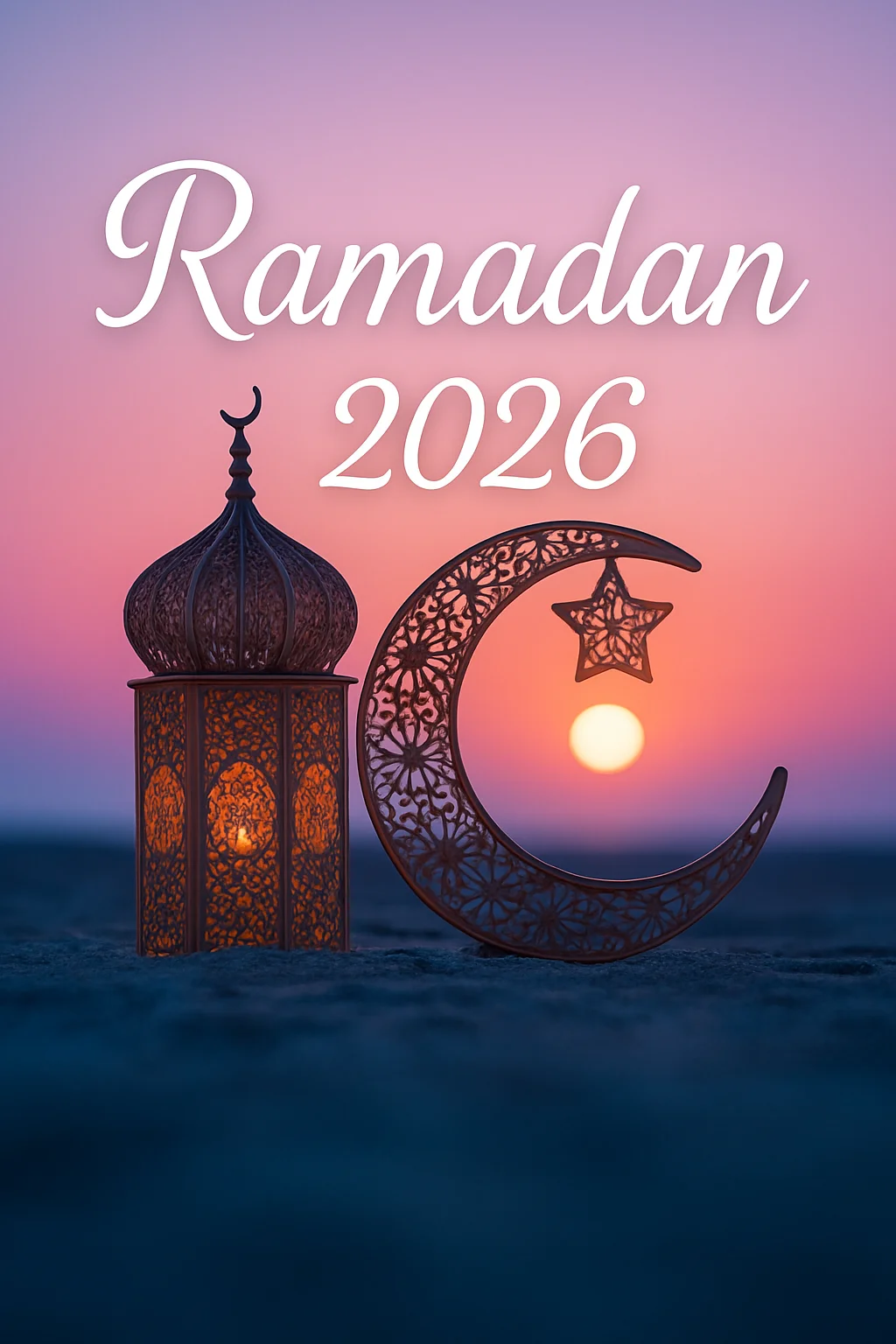
Ramadan, the ninth month of the Islamic calendar, holds profound significance for over a billion Muslims worldwide. It is a time of fasting, prayer, and reflection. With Ramadan 2026 approaching, it is essential to understand its importance, traditions, and expected dates, as they play a crucial role in Islamic culture and community bonding.
Dates of Ramadan 2026
In 2026, Ramadan is expected to begin on the evening of Sunday, February 14, and end on the evening of Tuesday, March 17, with Eid al-Fitr likely to be celebrated on Wednesday, March 18. These dates may vary slightly due to the sighting of the moon, which is traditionally how the start of Ramadan is determined.
Significance of Ramadan
Ramadan is a month dedicated to spiritual growth and self-discipline. During this period, observant Muslims fast from dawn until sunset, refraining from food, drink, and other physical needs to cultivate a sense of empathy for the less fortunate. Fasting is considered one of the Five Pillars of Islam, which are fundamental acts of worship that shape a Muslim’s faith and practices.
Rituals and Observances
Each day of Ramadan typically begins with a pre-dawn meal known as Suhoor and concludes after sunset with a meal called Iftar, where families and friends gather to break their fast together. It is common to find mosques filled with worshippers during the month as special nightly prayers called Tarawih are conducted. Additionally, many Muslims engage in acts of charity and community service during this month as a way to enhance their spiritual reflection.
Impact on Community and Culture
The impact of Ramadan extends beyond individual observance; it fosters a sense of community and unity among Muslims. Communities often come together to organize events and charitable functions, strengthening family bonds and social ties. The observance of Ramadan also supports local economies as many businesses adapt their operations to accommodate the fasting population by adjusting hours and creating special food offerings.
Conclusion
As Ramadan 2026 draws nearer, its significance is felt globally, reminding us of the values of compassion, self-reflection, and community engagement. Understanding the meanings behind this sacred month can foster greater appreciation and respect among diverse populations, further contributing to interfaith dialogue and cultural awareness. As families prepare for this auspicious time, it is an opportunity for all of us to learn about and embrace the rich traditions of those observing Ramadan.