Introduction
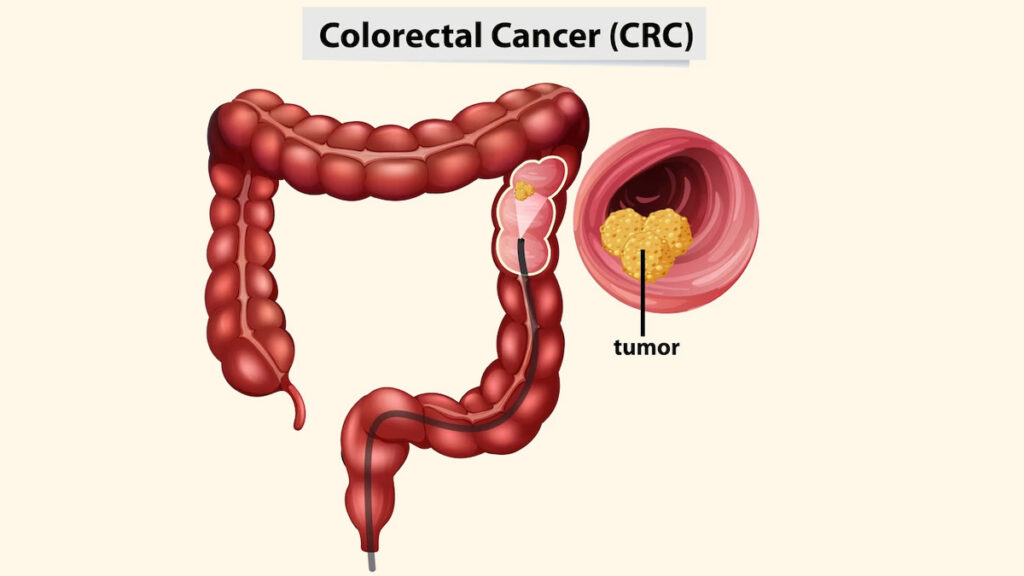
Rectal cancer, a type of colorectal cancer, affects thousands of Canadians each year, making it a critical public health concern. Understanding the implications, treatment advancements, and importance of early detection can significantly impact survival rates and quality of life for patients. With the increasing prevalence of the disease, raising awareness and knowledge about rectal cancer is more important than ever.
Current Statistics and Trends
According to the Canadian Cancer Society, there were an estimated 24,600 new cases of colorectal cancer in Canada in 2021, with a significant portion being rectal cancer. The overall survival rate for rectal cancer has increased over the past decade due to advancements in screening techniques and treatment options. However, disparities in access to healthcare and awareness still persist, especially in rural areas.
Recent Advancements in Treatment
Recent developments in treatment options for rectal cancer have given hope to patients while contributing to increased survival rates. For example, neoadjuvant chemotherapy and radiation therapy have been shown to reduce the size of tumors before surgical intervention, leading to improved surgical outcomes. Moreover, robotic-assisted surgeries are gaining traction, offering patients minimally invasive options with quicker recovery times.
Importance of Early Detection
Early detection remains vital in increasing the chances of successful treatment for rectal cancer. Health authorities recommend regular screening for individuals starting at age 50, or earlier for those with a family history of colorectal cancer. The use of colonoscopy and stool tests have been encouraged to identify precancerous polyps and detect cancers at an earlier stage when they are more treatable.
Conclusion
As rectal cancer continues to affect a significant number of individuals, the importance of awareness, early detection, and suitable treatment options cannot be overstated. Continuous medical research and public education programs are essential in combating this disease and improving patient outcomes. Looking ahead, the integration of personalized medicine and innovative therapeutic strategies will likely shape the future landscape of rectal cancer treatment, bringing renewed hope for affected individuals and their families.