Introduction
Sun solar flares are powerful bursts of radiation from the sun’s atmosphere that can significantly impact Earth’s environment and technological systems. As our reliance on technology increases, understanding these solar phenomena becomes imperative for scientists and society alike. Recent solar activities have reignited discussions on the potential implications of solar flares on communication systems, electrical grids, and even space travel.
The Science Behind Solar Flares
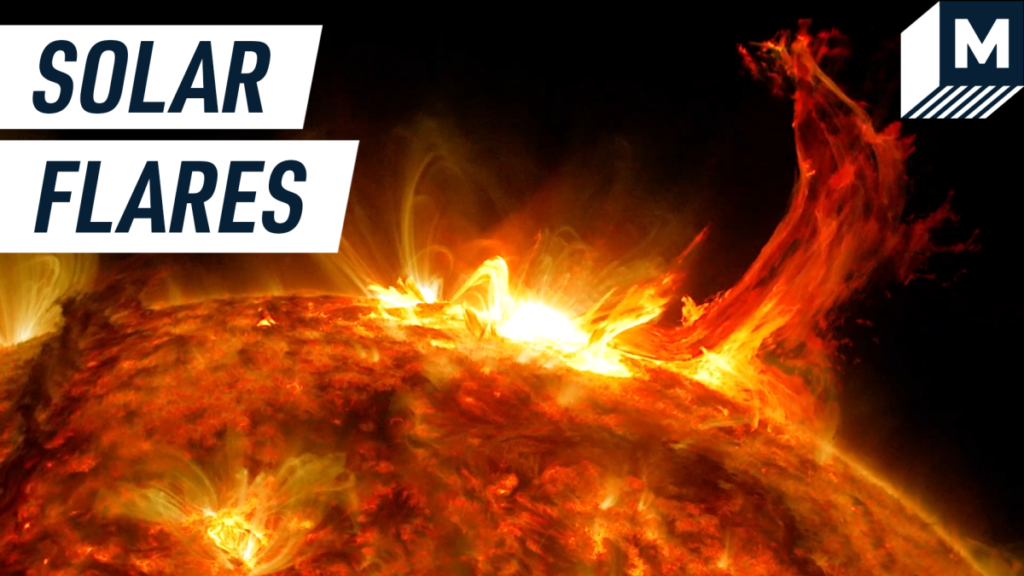
Solar flares are caused by the release of magnetic energy stored in the sun’s atmosphere. When this energy is released, it sends out electromagnetic radiation across the spectrum, including X-rays and ultraviolet rays. This can affect everything from satellite operations to power grids on Earth. The sun goes through an approximately 11-year cycle of activity, and we are currently approaching a solar maximum, which is expected to peak in 2025. During this time, solar flares are expected to increase in frequency and intensity.
Recent Events
In August 2023, scientists observed one of the most powerful solar flares to occur in recent years, classified as an X-class flare. This event resulted in widespread radio blackouts in various regions on Earth, impacting aviation and maritime communications. The flare, which occurred on August 16, was closely monitored by various space agencies and served as a reminder of the sun’s unpredictable nature and its potential impacts.
Implications for Technology
Solar flares can disrupt GPS navigation systems, radio communications, and even lead to power outages. Utilities are increasingly investing in infrastructure that can withstand the effects of such solar events. For example, the Federal Energy Regulatory Commission in the United States has been promoting better preparedness for geomagnetic storms caused by solar flares. These efforts include strengthening power grid resilience and improving early warning systems.
Conclusion
As we approach the next solar maximum, it is crucial for both the scientific community and the general public to stay informed about solar flares and their potential consequences. The recent powerful solar flare serves as a stark reminder of the sun’s influence on our planet. Continued research and preparedness efforts will be essential in mitigating the risks associated with solar flares. Understanding these cosmic events not only enhances our knowledge of space weather but also helps safeguard our technological infrastructure and the daily lives of people around the world.