Introduction
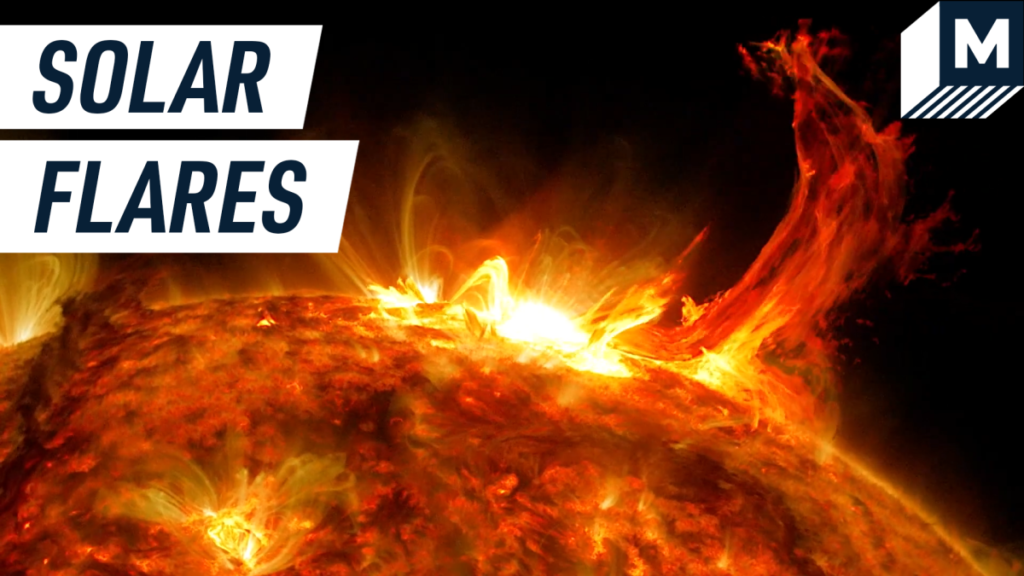
Sun solar flares are sudden eruptions of energy that occur on the sun’s surface, playing a crucial role in space weather. Understanding these phenomena is vital due to their potential impacts on Earth, especially concerning satellites, communication systems, and even power grids. As recent solar activity has intensified, scientists and researchers are focused on the implications that high-frequency solar flares may have on our technology-driven society.
The Mechanics of Solar Flares
Solar flares are caused by the complex interactions of magnetic fields in the sun’s atmosphere. When the magnetic energy stored in the solar atmosphere is suddenly released, it results in intense bursts of radiation across the electromagnetic spectrum. These flares can vary in size and intensity, classified from A-class (smallest) to X-class (largest and most powerful).
Recent Activity and Effects
In recent months, the sun has exhibited increased activity, resulting in multiple X-class solar flares. According to NASA, on [insert recent date], a significant X-class flare erupted, temporarily disrupting radio communications in polar regions and causing heightened auroras visible at lower latitudes than usual. Scientists are continuously monitoring these solar events to predict potential impacts on Earth’s infrastructure.
The potential effects of solar flares on Earth include geomagnetic storms, which can damage satellites, disrupt navigation systems, and even cause power outages. The risk is particularly concerning for regions closer to the poles, where the Earth’s magnetic field is weaker.
Conclusion
As we continue to enter a period of increased solar activity linked to the 11-year solar cycle, understanding solar flares becomes critical for maintaining our technology and communication systems. Scientists anticipate that with advancements in monitoring technology, we can better predict these events, allowing us to mitigate risks to modern civilization. It highlights the importance of space weather monitoring as a key component of national and international preparedness efforts. In essence, being informed about solar flares can help us better prepare for their unpredictable impacts.