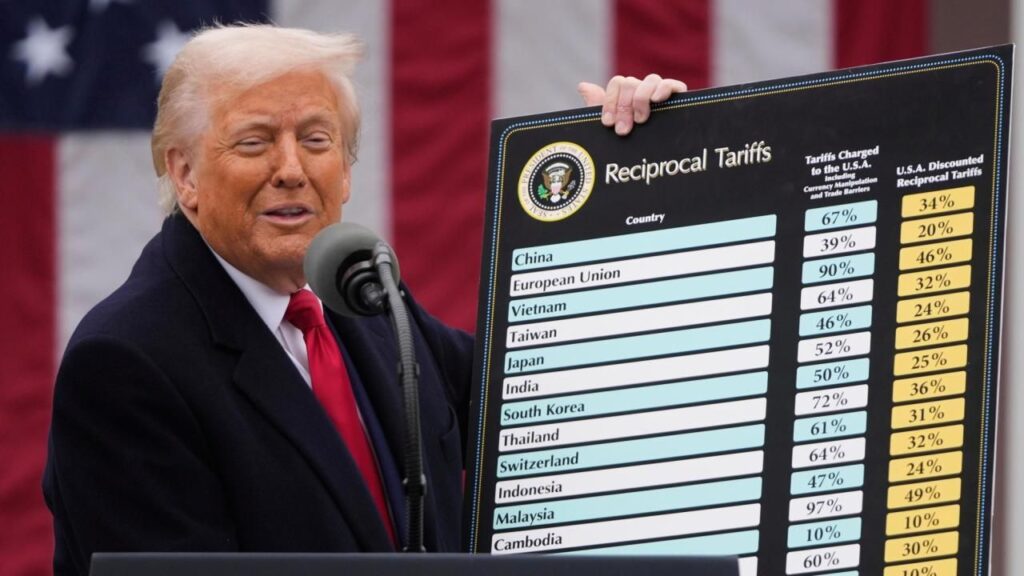
Introduction to Supreme Court Tariffs
In recent months, the issue of tariffs has taken center stage in Canadian politics, largely due to pivotal rulings by the Supreme Court. These rulings have sparked extensive debates about trade policies and the implications for businesses and consumers alike. As Canada navigates its economic landscape in a post-pandemic world, understanding how these decisions affect tariffs is vital for all stakeholders.
Recent Supreme Court Rulings
In early October 2023, the Supreme Court of Canada issued a landmark ruling that upheld the legality of certain tariffs imposed by the federal government on imported goods. This decision was the culmination of a lengthy legal battle that aimed to clarify the government’s authority in imposing tariffs independently to protect domestic industries. The ruling is seen as a significant victory for the federal government, which argued that protective tariffs are necessary to support local manufacturing and safeguard jobs.
The case arises from complaints by various business sectors, particularly in manufacturing and agriculture, which claimed that certain tariffs imposed were detrimental to their operations and led to increased prices for consumers. However, the Court concluded that the government’s ability to manage tariffs is essential for the protection of Canadian economic interests and can be justified under the constitutional powers allocated to the federal government.
Implications for Businesses and Consumers
With the Supreme Court’s ruling, businesses must reassess their strategies regarding import goods. Industries that rely heavily on imported materials may experience increased costs passed down from tariffs, putting pressure on pricing models and margins. Conversely, domestic producers could benefit from decreased competition due to the tariffs, which may enable them to stabilize or even grow their market share.
Consumers could also feel the impact of these decisions. As tariffs could lead to higher prices for imported goods, it is likely that everyday items will see price increases. The government has urged consumers to support local products, emphasizing the importance of prioritizing Canadian goods in light of the tariffs.
The Road Ahead
Looking forward, the ramifications of the Supreme Court’s decision on tariffs will likely influence trade negotiations and relationships with other countries, especially in the context of ongoing discussions with the United States and Mexico under the USMCA agreement. Analysts predict that Canada will continue to navigate the complex balance of protecting domestic industries while remaining a competitive player in global markets.
In conclusion, the recent Supreme Court decisions regarding tariffs are significant in shaping Canada’s economic policy and trade strategy. Stakeholders across the board must remain informed and adaptive as these changes unfold, ensuring that they can respond effectively to both challenges and opportunities that arise from the evolving tariff landscape.