Introduction
The Federal Open Market Committee (FOMC) meeting plays a pivotal role in shaping the monetary policy landscape in the United States. Given its impact on interest rates, inflation, and overall economic growth, the outcomes of these meetings are closely watched by investors, economists, and policymakers alike. As we delve into the most recent FOMC meeting, it is essential to understand the implications that arise from their decisions.
Recent Developments
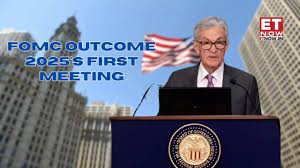
On September 20, 2023, the FOMC convened for its latest meeting to discuss the current economic climate and set its course for monetary policy. One of the main focal points was the ongoing battle against inflation, which has shown signs of moderation yet remains above the FOMC’s long-term target of 2%. As stated by the Chair of the Federal Reserve, Jerome Powell, “Our goal is to ensure that inflation returns to sustainable levels while maintaining employment growth.”
During this meeting, the committee decided to keep the federal funds rate steady at 5.25% to 5.50%, following a series of rate hikes that began in early 2022. By holding rates, the FOMC aims to provide a stable environment for consumers and businesses amid a complex economic backdrop that includes mixed signals regarding growth and labor market strength.
Reactions and Implications
The decision not to raise rates has led to mixed reactions in financial markets. While some investors support the idea of maintaining rates to avoid stifling growth, others express concerns about persistent inflation and the potential need for further tightening in the future. Following the FOMC meeting, stock markets responded positively, reflecting investor relief that the committee chose a cautious approach at this time.
Looking forward, analysts predict that the next FOMC meeting, tentatively scheduled for November 1, will be crucial. It will occur against the backdrop of key economic indicators, including inflation rates and employment data. The consensus among economists is that while the FOMC is likely to maintain the current rate in November, they are preparing to adjust their strategy based on evolving economic conditions.
Conclusion
The FOMC meeting remains a significant event influencing the monetary policy that affects every American. Decisions made during these meetings shape the economic landscape, impacting everything from mortgage rates to job growth. As the committee navigates the delicate balance of curbing inflation while supporting economic growth, both consumers and investors should stay informed about upcoming meetings and economic indicators. With uncertainty remaining in the global economy, the actions of the FOMC will be critical in steering the financial future of the United States.