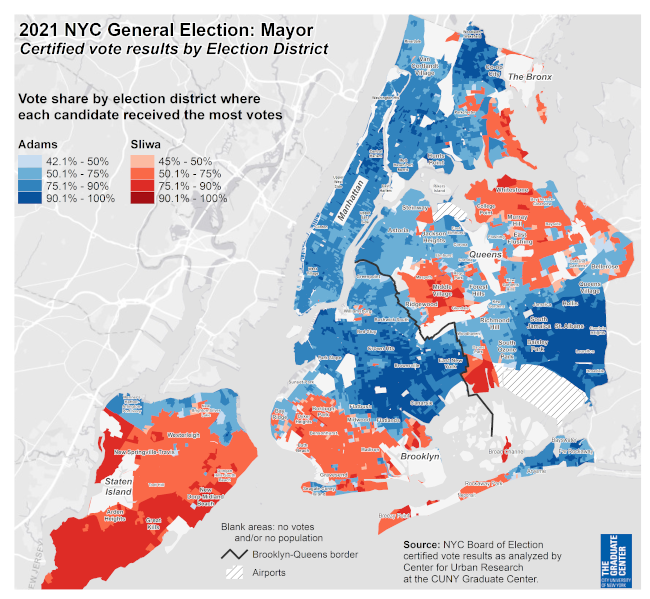
Introduction
The New York mayoral election is a pivotal event that shapes the political landscape of one of the world’s largest cities. As the 2023 election approaches, understanding the candidates, their policies, and the issues at stake is crucial for voters. With concerns around crime, housing, and public health taking center stage, the outcomes of this election will have longstanding impacts on the lives of New Yorkers.
Current Candidates and Their Platforms
The 2023 New York mayoral election features a diverse array of candidates, each bringing unique perspectives to the table. Current Mayor Eric Adams, a Democrat, is seeking re-election amid a backdrop of rising crime rates and budgetary challenges. He emphasizes public safety and economic recovery in his campaign. Notably, Adams has focused on addressing the homelessness crisis and increasing police funding, while balancing calls for police reform.
Challenging him is Brooklyn City Council member Antonio Reynoso, advocating for progressive policies. His platform includes expanding affordable housing and reforming policing. There are also several minor party candidates, including the Republican candidate and various independents, who are garnering attention for their distinct proposals ranging from fiscal conservatism to social reform.
Voter Engagement and Turnout
With the election date set for November 7, 2023, voter engagement is crucial. Recent polls suggest a race that could be tightly contested, with a significant portion of the electorate still undecided. Organizations across the city are ramping up efforts to mobilize voters, emphasizing the importance of civic participation. Historically, turnout in mayoral elections has varied significantly, and this year, advocates are stressing the need for all voices to be heard, particularly in communities that may feel marginalized.
Significance of the Election
This mayoral election is not only about choosing the city’s leader; it’s a referendum on policies that impact daily life in New York City. Issues such as affordable housing, public safety, education, and health care access will be closely scrutinized. Voters are expected to weigh the effectiveness of the incumbent’s policies against those of challengers who may propose sweeping changes. As the campaigning heats up, debates and town halls provide opportunities for candidates to clarify their positions and for voters to engage with them directly.
Conclusion
The upcoming New York mayoral election is poised to be one of the most significant in recent history, given the challenges facing the city. It will serve as a litmus test for the current administration’s approach to governance and the electorate’s appetite for change. As election day approaches, both candidates and voters are acutely aware that the choices made will shape the future of New York City. Staying informed and participating in the process will be key for residents looking to impact their community positively.