Introduction
The Pennsylvania election is a pivotal event in the political landscape of the United States, reflecting not only the local dynamics of the state but also influencing national trends. As a critical swing state, Pennsylvania often plays a crucial role in determining the outcomes of presidential elections and shaping policy directions at various levels of government. The recent election outcomes have significant implications for voter engagement, legislative priorities, and the future political climate in the state.
Recent Events in the Pennsylvania Election
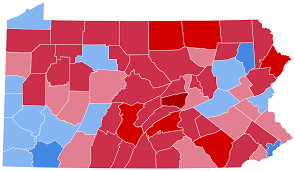
The latest Pennsylvania election took place on November 8, 2022, with significant races for the U.S. Senate and state gubernatorial positions. Democratic candidate John Fetterman won a tightly contested Senate race against Republican candidate Mehmet Oz, reflecting the state’s critical role in the balance of power in the Senate. Fetterman’s victory was attributed to strong support from urban areas and grassroots campaigns focused on key issues such as health care, social justice, and economic equality.
In the gubernatorial race, Democrat Josh Shapiro defeated Republican Doug Mastriano, signaling a continuing trend of Democratic governance in the state. Shapiro’s campaign emphasized transparency, public health initiatives, and education reform, resonating with voters concerned about the state’s future after the pandemic.
The Stakes and Relevance
The outcomes of the Pennsylvania elections are significant beyond the immediate results. With the state’s varying demographics and political ideologies, it often serves as a bellwether for national elections. In recent years, voter turnout has become increasingly important, and Pennsylvania’s elections have seen a surge in mail-in ballots, making accessibility and election integrity major issues.
The 2022 election also highlighted the importance of community organizing and mobilization, particularly among younger voters and communities of color. Voter engagement initiatives have proven vital in limiting the effects of voter suppression tactics and misinformation, underlining the importance of informed elections in a democratic society.
Conclusion
The Pennsylvania elections are not just local affairs; they resonate throughout the political landscape of the United States. As we look ahead to future elections, the trends emerging from Pennsylvania, including heightened voter engagement and innovative campaign strategies, suggest that the stakes will remain high. With continuous shifts in political allegiance and public opinion, the outcomes in Pennsylvania will undoubtedly serve as a microcosm of broader national issues. Voters in Pennsylvania, as in the rest of the country, hold the power to influence governance and societal progress through their participation in the electoral process.