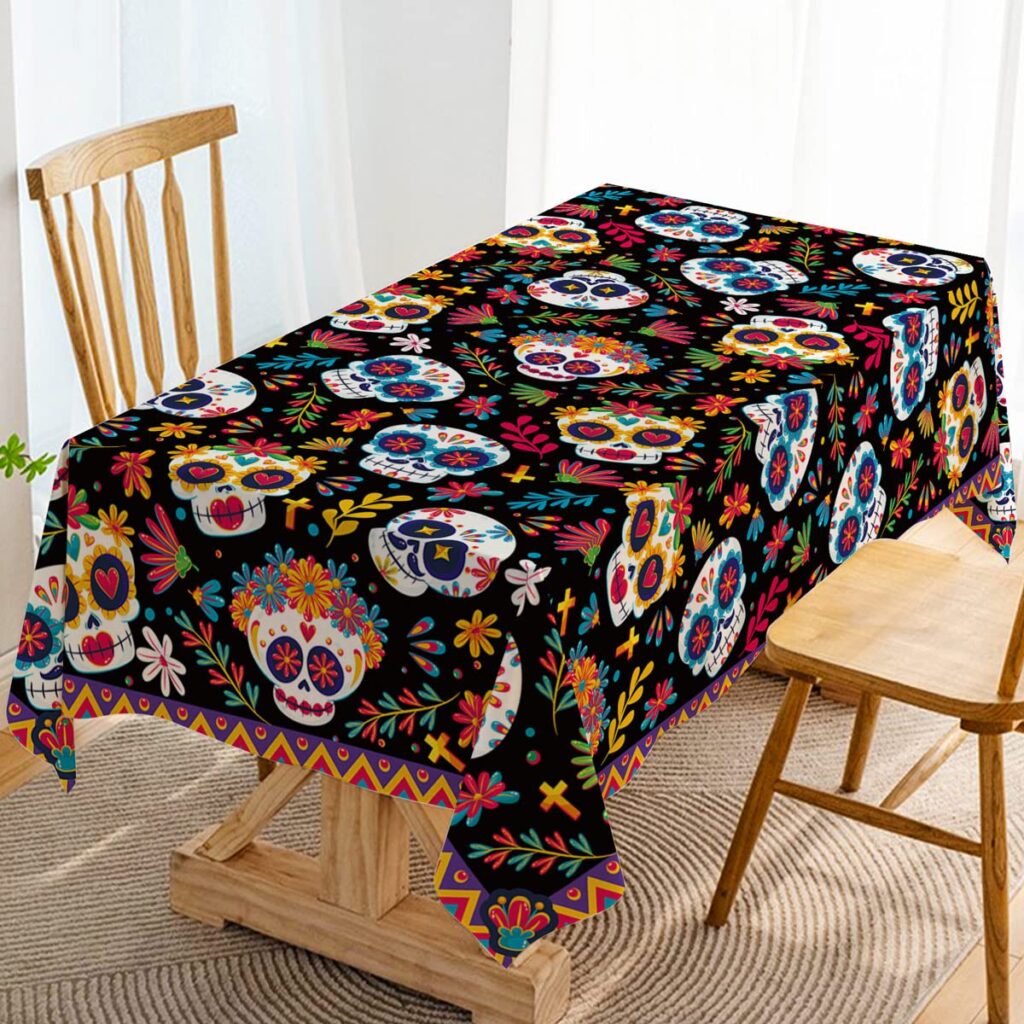
Introduction to Día de los Muertos
Día de los Muertos, or the Day of the Dead, is a Mexican tradition that holds profound significance both culturally and emotionally. This vibrant festival occurs every year from October 31 to November 2, coinciding with the Catholic celebrations of All Saints’ Day and All Souls’ Day. It is a time for families to honor and remember their deceased loved ones, blending indigenous traditions with Spanish elements to create a unique cultural celebration known globally.
The Importance of Traditions
During Día de los Muertos, families create altars, known as ofrendas, adorned with photographs, mementos, and favorite foods of the departed. Marigolds, often referred to as cempasúchil, are utilized to guide spirits back to the world of the living with their bright colors and distinct fragrance. This cultural practice emphasizes the importance of family bonds, remembrance, and the cycle of life and death.
Recent Celebrations and Events
The year 2023 saw a resurgence in Día de los Muertos celebrations across Canada, especially in cities with strong Indigenous and Latin American communities, like Toronto and Vancouver. Public events, including parades and art installations, have encouraged participation from diverse populations, fostering intercultural understanding. The festivals have featured traditional music, food, and crafts that highlight the richness of Mexican heritage.
Additionally, organizations have been focusing on education around the holiday, providing workshops on traditional crafts such as sugar skull decorating, and cultural significance discussions. The response from communities has been heartwarming, with many showcasing their creativity and respect for this ancient tradition.
Conclusion and Future Significance
Día de los Muertos continues to grow in recognition and significance beyond Mexico’s borders. Its emphasis on celebrating life and death fosters deeper connections and understanding within multicultural societies. Moving forward, it is expected that more communities in Canada will engage in these practices, creating inclusive spaces where diverse traditions are respected and celebrated.
As society evolves, the importance of retaining such cultural legacies remains crucial. Día de los Muertos serves not only as a reminder of those who have passed but also as a celebration of life, fostering unity, remembrance, and hope for the future.