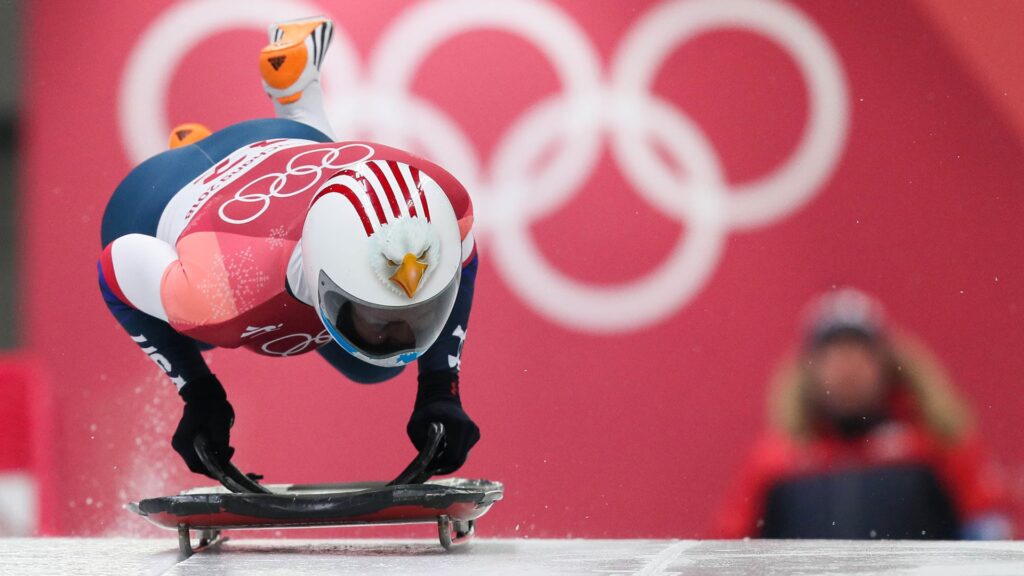
Introduction to Skeleton Olympics
The Skeleton Olympics is one of the most exhilarating and daring winter sports featured in the Winter Olympic Games. Athletes race down a narrow, twisting track at incredible speeds while lying face down on a small sled. This sport demands not only speed but also precision and a unique combination of mental and physical strength. The Skeleton has gained immense popularity since its Olympic debut in 1928 and continues to draw significant attention at each Winter Olympics, including the upcoming 2026 Games in Milan-Cortina.
Recent Developments
The Skeleton event has evolved over the years, seeing advancements in sled technology and athlete training programs. With the 2022 Beijing Winter Olympics bringing a renewed spotlight to the sport, many nations showcased their top Skeleton athletes. The gold medal for men was claimed by Germany’s Christopher Grotheer, while the women’s event saw great competition with Japan’s Natsuki Tanaka taking silver behind gold medalist Hannah Neise of Germany. The thrilling races highlighted dramatic turns, hair-raising speeds, and nail-biting finishes that left spectators on the edge of their seats.
Significance of Skeleton in Winter Sports
Skeleton is not just another winter sport; it embodies the essence of courage, agility, and innovation. The athletes who participate risk their safety while pushing the envelope of speed and skill. This year’s competition saw a significant increase in participation from countries like Austria, Canada, and the United States, which indicates a growing interest in Winter Olympic sports overall. With training centers enhancing their programs and technology evolving rapidly, more young athletes are becoming motivated to excel in Skeleton, potentially reshaping the dynamics of international competition.
Forecast for Future Competitions
As we look towards the 2026 Winter Olympics in Milan-Cortina, anticipation builds for the next generation of Skeleton competitors. There is a notable trend toward younger athletes entering the field, pushing for innovative techniques and training approaches. The increased coverage and digital engagement also promise to boost the audience’s appreciation for the sport, bringing in new fans and participants. Expect thrilling competitions that will bring outstanding athleticism to the forefront, further elevating the Skeleton Olympics as a premier winter sport.
Conclusion
The Skeleton Olympics continues to captivate sports enthusiasts around the world. Its unique combination of speed, precision, and danger makes it a thrill to watch. As technological advancements and training programs evolve, the sport is poised for even greater heights at future Olympic Games. With the upcoming competitions, fans can expect a showcase of talent, determination, and athletic excellence.