Introduction
The STM strike has emerged as a significant issue for Montreal’s public transportation system, affecting daily commuters and raising concerns about service disruptions. With public transport being a vital part of urban mobility, the strike not only impacts individuals but also the broader geopolitical and economic landscape of the city. Citizens, businesses, and policymakers are closely monitoring the developments surrounding the STM strike.
Background of the Strike
The Syndicat des travailleurs de la STM (STM Workers’ Union) initiated the strike on October 1, 2023, after ongoing negotiations regarding wages, working conditions, and job security stalled. Union leaders have highlighted that the workers are demanding fair compensation that reflects the cost of living in Montreal, as well as improved safety protocols on transit vehicles and in stations.
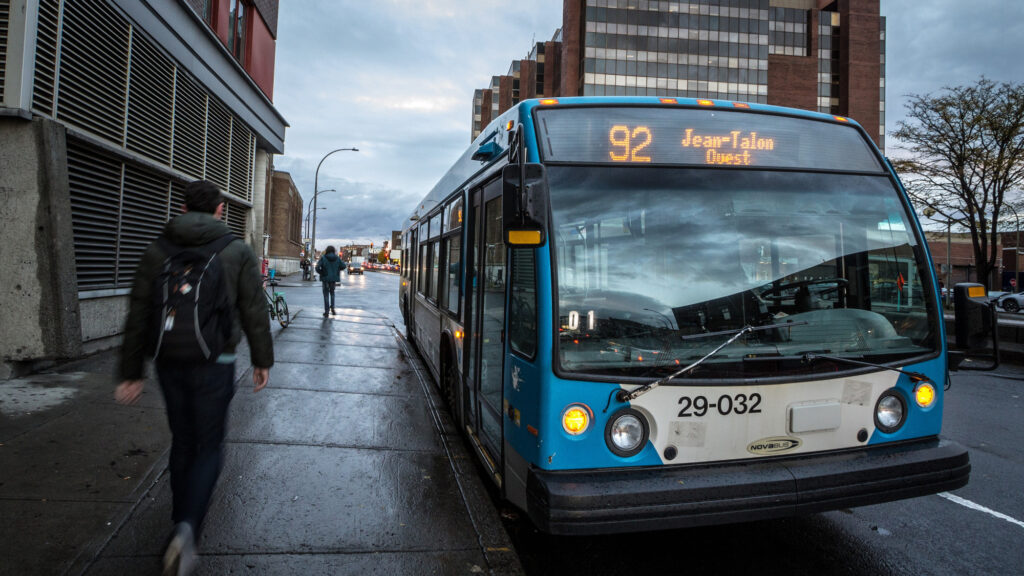
As a result of the strike, many bus routes and metro services were significantly altered. The STM reports that approximately 40% of bus services were operating at reduced capacity, with certain lines suspended completely. The impact has led to increased wait times and frustration among daily commuters who rely on public transportation to reach their jobs, schools, and other essential services.
Public Response and Reactions
Public response to the STM strike has been mixed. Some commuters express solidarity with the workers, understanding the necessity of their demands amidst rising living costs. Others, however, have expressed frustration over the inconvenience caused by service interruptions. The government has urged both parties to return to negotiations to resolve the dispute quickly, emphasizing the importance of public transportation for the city’s economy.
Local business owners have also voiced concerns about the strike’s impact on their operations, suggesting that reduced connectivity could affect sales and overall economic activity in the area.
Future Implications
As the strike continues, all eyes are on the negotiation table where union leaders and STM officials are expected to reconvene. Experts predict that if a resolution is not reached soon, it could lead to prolonged service disruptions and deeper tensions between the transit authority and workers. The implications of the strike extend beyond just transit; a protracted labor dispute could affect public confidence in the STM and its governance structure.
Conclusion
The STM strike poses significant challenges for both workers and commuters, highlighting the issues surrounding public transport in Montreal. As negotiation efforts take place, the outcome will be crucial not just for the workers seeking fair conditions but also for the daily lives of countless individuals relying on STM services. The resolution of this dispute will serve as a testament to the balance between labor rights and public service obligations in a bustling city.