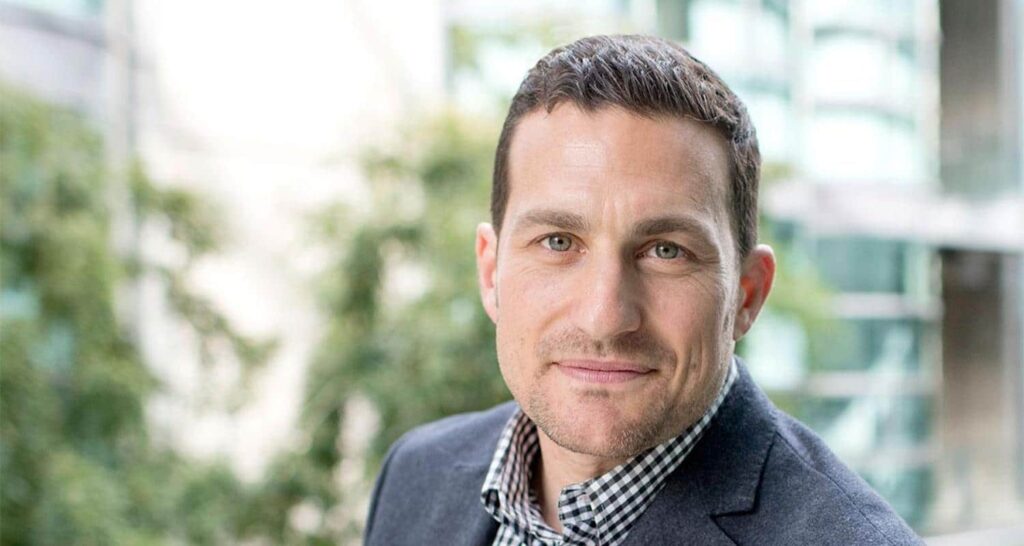
Introduction to Andrew Huberman
Andrew Huberman is a renowned neuroscientist and associate professor at Stanford University, known for his groundbreaking research in brain function and behavior. His work is particularly relevant today as it intersects with mental health, wellness, and the application of neuroscience in daily life. With a focus on neuroplasticity, Huberman’s insights provide valuable information on how individuals can leverage their brain’s capabilities for better living.
Recent Research and Insights
In recent discussions and podcasts, Andrew Huberman has highlighted various topics, including the impact of light on our circadian rhythms and how it influences mood and cognitive performance. His research emphasizes the importance of exposure to natural light during the day to regulate sleep and enhance alertness. This finding has become increasingly relevant as more people adopt remote work styles, often leading to disrupted sleep patterns.
Huberman has also delved into the neurobiology of fear and stress response, outlining practical ways to manage and mitigate anxiety through breathing techniques and mindful practices. His popular podcast, “Huberman Lab,” has amassed a significant following, where he breaks down complex neuroscientific concepts into actionable advice for mental well-being.
Engagement with the Public
In an effort to make science accessible, Huberman frequently engages with the public on various social media platforms, sharing bite-sized educational content and responding to questions from his audience. This approach has demystified neuroscience for many and provided tools for personal development, enhancing mental health, and optimizing performance.
Conclusion and Future Directions
The relevance of Andrew Huberman’s work cannot be overstated, especially as society grapples with the mental health challenges posed by modern life. As mental health awareness increases, Huberman’s insights into brain health and function offer hope and practical strategies for individuals seeking to improve their cognitive well-being. Looking ahead, we can expect continued exploration from Huberman into the intersections of neuroscience and lifestyle, paving the way for new understanding in how we can cultivate a healthier mind and body.