Introduction
As winter approaches, Canada often faces extreme weather conditions, including snow squalls. Recently, Environment and Climate Change Canada issued a yellow warning for snow squalls across several regions, emphasizing the importance of this alert to public safety. A snow squall can create treacherous driving conditions and pose hazards to individuals without proper preparation.
What is a Snow Squall?
A snow squall is characterized by brief but intense periods of snowfall, often suddenly reducing visibility to less than 400 meters. These conditions can lead to significant snowfall accumulation, making roads dangerous and leading to potential travel disruptions. Wind may further exacerbate these squall conditions, with gusts creating additional hazards such as snow drift.
Recent Developments
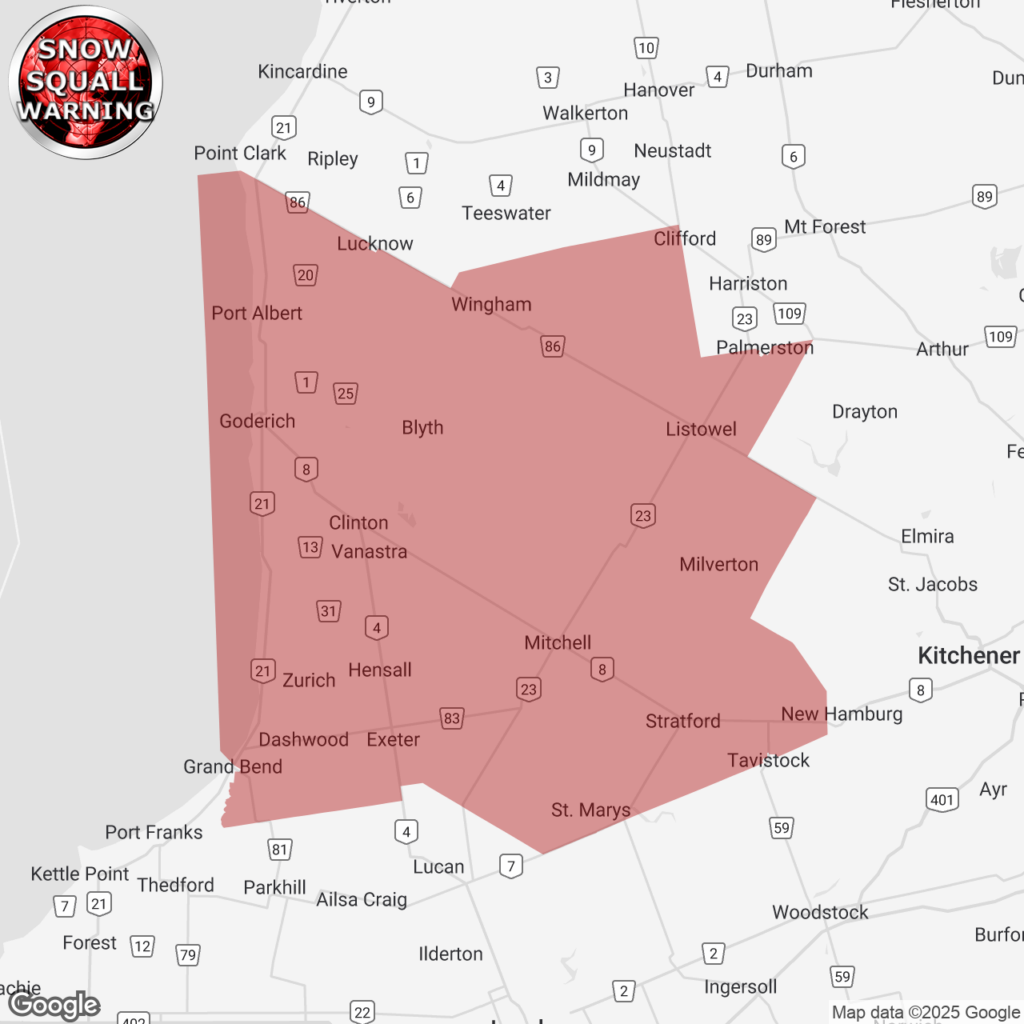
On [insert date], the meteorological office issued yellow warnings for snow squalls for regions including [insert regions affected]. The storms are expected to produce heavy, blowing snow that makes driving hazardous. Residents have been urged to stay informed through local news outlets and heed warnings as conditions can change rapidly.
Preparation and Safety Measures
During a snow squall warning, it’s crucial for residents to take proactive measures. Authorities recommend keeping emergency kits in vehicles, including warm blankets, food, and flashlight, in case of becoming stranded. Additionally, travelers should maintain awareness of local weather forecasts and avoid unnecessary travel during severe weather conditions.
Conclusion
The yellow warning for snow squalls serves as an important reminder of the potential dangers posed by severe winter weather. As these conditions can arise unexpectedly, being prepared is essential for ensuring safety. As the winter season progresses, continued vigilance and preparedness will help mitigate risks associated with snow squalls in Canada.