Introduction
Tropical Storm Melissa formed in the eastern Atlantic Ocean and has garnered attention due to its potential to impact various coastal regions. Understanding the patterns and outcomes of such storms is critical for preparedness and safety. With the hurricane season still in effect, Melissa’s developments are significant for meteorologists and residents in affected areas.
Current Status of Tropical Storm Melissa
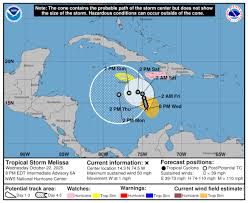
As of October 2023, Tropical Storm Melissa has been monitored closely by the National Hurricane Center (NHC). Initially forming from a disorganized area of low pressure, it escalated into a tropical storm on October 5. With winds reaching speeds of 50 miles per hour, Melissa has remained steady in its track across the Atlantic.
Projected Path and Impact
Forecast models suggest that Tropical Storm Melissa is moving towards the northeastern coast of the United States. Experts predict that it could intensify into a hurricane as it approaches warmer waters and favorable atmospheric conditions. If this happens, coastal regions, particularly in New England and Atlantic Canada, may need to prepare for heavy rain, strong winds, and potential flooding.
Historical Context
The dynamics of tropical storms and hurricanes are critical to understand, especially during peak hurricane season from June to November. In previous years, storms like Hurricane Sandy have demonstrated the devastating impact such weather systems can have on communities. The effects on infrastructure, economy, and even public health are lasting and often require extensive recovery efforts.
Preparedness and Safety Measures
As Tropical Storm Melissa approaches, it’s essential for residents in potentially affected areas to stay informed. Local authorities and meteorological services recommend having emergency kits ready, reviewing evacuation routes, and following updates from trusted sources. Programs and apps that provide real-time weather alerts can be invaluable during these events.
Conclusion
Tropical Storm Melissa serves as a reminder of the unpredictable nature of weather patterns, and the importance of preparedness in the face of potentially life-threatening situations. As meteorologists continue to monitor its development, communities must prioritize safety by staying informed and being ready to respond to changing conditions. The ongoing research and advancements in meteorological forecasting will play a critical role in managing the impacts of such storms in the future.