Introduction to Data Breaches
In today’s interconnected digital landscape, data breaches have become a pressing concern for individuals and organizations alike. A data breach refers to the unauthorized access and retrieval of sensitive information, which can lead to serious ramifications such as identity theft, financial losses, and damage to reputation. Understanding what constitutes a data breach and its growing prevalence is vital for safeguarding personal and corporate data.
Types and Causes of Data Breaches
Data breaches can occur through various means, and their classification broadly falls into a few categories:
- Malicious Attacks: These include hacking incidents where cybercriminals exploit vulnerabilities in systems to access confidential data.
- Insider Threats: Sometimes, data breaches are perpetrated by employees who may deliberately or inadvertently leak sensitive information.
- Physical Breaches: These occur when unauthorized individuals gain physical access to locations where data is stored, potentially stealing equipment or files.
- Human Error: Mistakes, such as sending sensitive information to the wrong recipient or leaving a database unsecured, can also lead to data breaches.
Recent Incidents and Impact
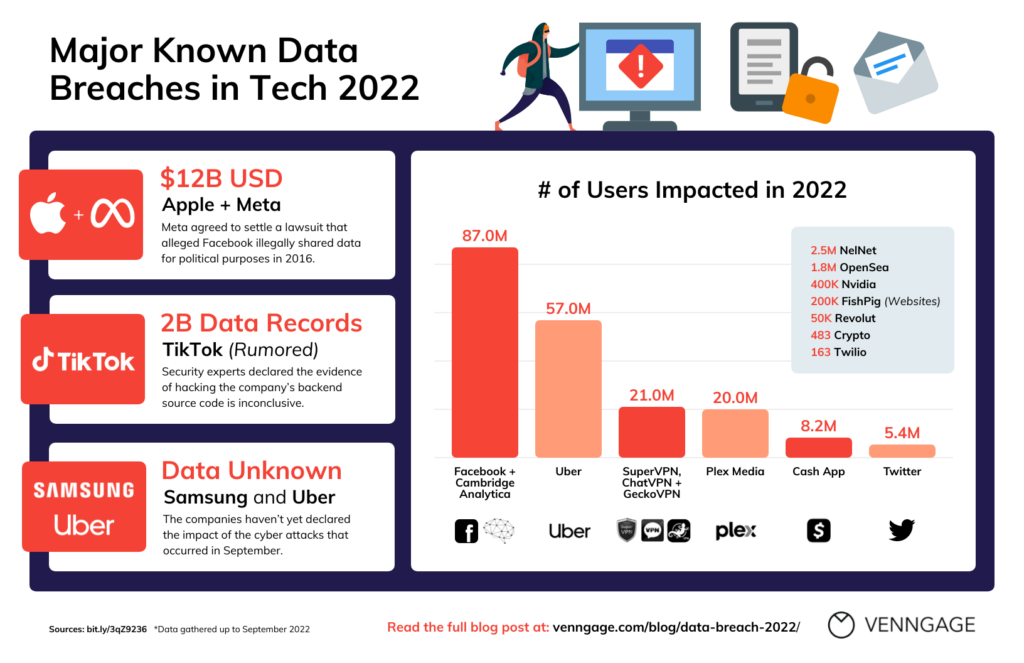
In 2023, high-profile data breaches have underscored the vulnerability of even the most secure organizations. For example, a major financial services company revealed that personal data of millions of customers was accessed by hackers, prompting widespread scrutiny and regulatory investigations. Such events not only raise concerns about privacy and security but also have lasting impacts on victims, leading to loss of trust in companies and their services.
How to Protect Against Data Breaches
Given the rise in data breaches, individuals and organizations must take proactive steps to enhance their cybersecurity measures. Recommendations include:
- Implementing strong, unique passwords and changing them regularly.
- Using multi-factor authentication to add an extra layer of security.
- Educating employees about the risks of phishing scams and social engineering.
- Regularly updating software and employing security patches to mitigate vulnerabilities.
Conclusion
As technology continues to evolve, so do the methods employed by cybercriminals. Understanding what a data breach is and taking proactive measures will be crucial in preventing unauthorized access to sensitive information. By fostering a culture of security awareness and understanding the importance of data protection, individuals and organizations can significantly reduce the risk of becoming victims of data breaches. The importance of vigilance in cybersecurity cannot be overstated in this digital age.