In a significant move to support international students, universities across Canada are offering exam deferrals and extensions on tuition for those affected by the ongoing war in the Middle East. This initiative comes as the conflict has intensified, leading to a growing number of students facing challenges in their academic pursuits.
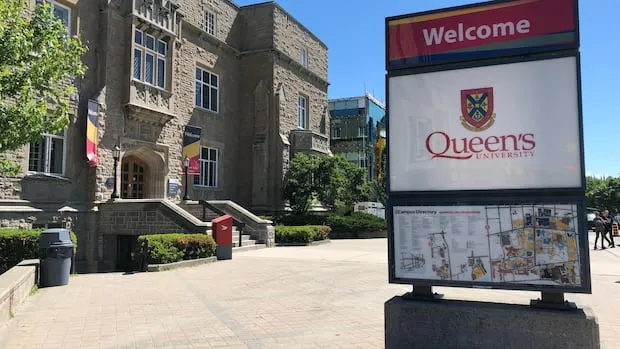
The University of Victoria has taken proactive steps by providing tailored support to students with connections to Iran. This includes special bursary funding and the lifting of holds on registration, allowing affected students to continue their education without additional barriers. Similarly, Queen’s University is extending winter tuition and fee payment deadlines without late penalties, while also offering access to emergency bursaries and enhanced mental health resources.
Carleton University has also joined the effort, granting flexibility to affected students regarding the submission of admissions documents and exam deferrals. They are currently reviewing requests for tuition relief, demonstrating a commitment to understanding and addressing the unique circumstances faced by their international student body. McGill University has reached out to students from several Middle Eastern countries, informing them about available academic accommodations and mental health resources.
Data from Immigration, Refugees and Citizenship Canada highlights the scale of the situation, revealing that as of December 31, 2024, there are over 23,000 study permit holders from Iran and approximately 1,800 from Lebanon currently studying in Canada. This influx of students underscores the importance of the support systems being put in place by these institutions.
Amidst the turmoil, the emotional strain on students is palpable. Amir Moghadam, a representative of the Iranian student community, expressed the gravity of the situation: “Right now, Iranian students in Canada cannot contact their families, cannot transfer money and in many cases have no way of knowing whether their loved ones are safe.” This sentiment resonates deeply within the community, highlighting the urgent need for universities to provide not just academic support, but also emotional and financial assistance.
In response to these challenges, the University of Toronto Graduate Students’ Union has initiated an emergency grant program that offers up to $1,000 to students facing financial hardship due to crises. This program aims to alleviate some of the financial burdens that students may encounter as they navigate these difficult times.
As the situation evolves, universities are urged to remain vigilant and adaptable. A spokesperson from Queen’s University stated, “Students affected have been encouraged to reach out to the university … as they navigate the impacts of this challenging situation.” This proactive approach is essential in ensuring that students feel supported and understood during such uncertain times.
While the immediate focus is on providing support to students affected by the war, the broader implications of these events remind us that similar situations can arise for different communities in the future. Amir Moghadam emphasized the need for ongoing support systems, stating, “These situations will keep happening to different communities at different times. The supports should already be in place when they do.” As Canada’s universities continue to adapt to the needs of their diverse student populations, the commitment to fostering a supportive educational environment remains paramount.