The Situation of an Honorable Veteran
The plight of a United States Army veteran facing deportation is shedding light on the complexities of immigration laws and veterans’ rights in Canada. Despite bravely serving his country, the veteran, who wishes to remain anonymous, learned that his immigrant status is at risk due to a past criminal charge.
Background of the Case
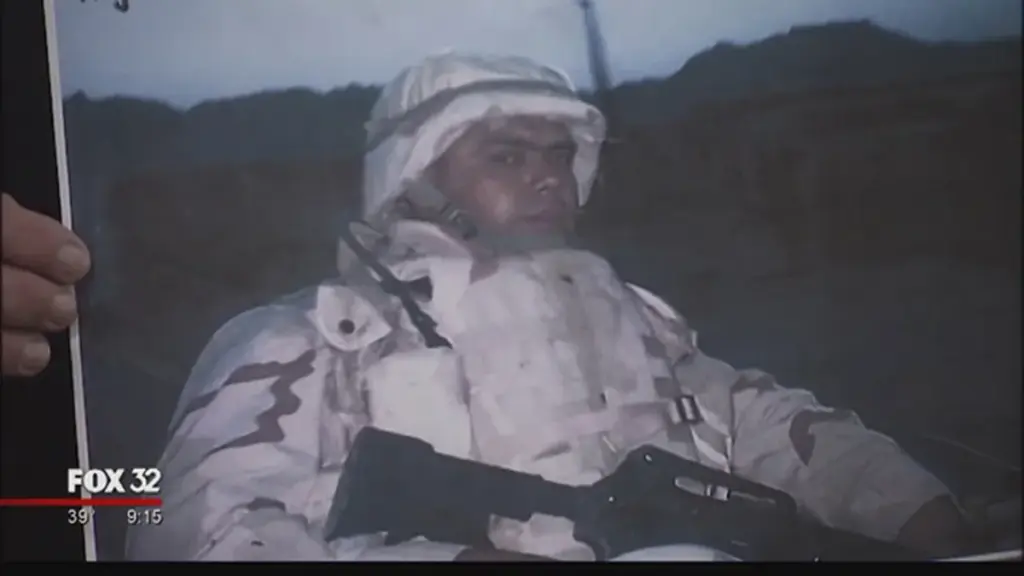
This veteran immigrated to the US from Canada at the age of 12 and enlisted in the Army shortly after his 18th birthday. He served honorably in Iraq and was awarded commendations for his dedication and service. However, after returning home, he encountered challenges that led to a criminal conviction. This conviction, although not severe, is now the basis for his potential deportation.
Legal Framework Surrounding Deportation
Under current US immigration laws, non-citizens may face deportation for various reasons, including criminal convictions. This case highlights the often-overlooked issue of how military service does not guarantee protection against deportation for legal permanent residents. Advocates argue that military veterans should be afforded special consideration given their sacrifices on behalf of the nation.
The Response from the Community and Veterans’ Organizations
The veteran’s case has garnered significant attention from various veterans’ organizations and community advocates. They are rallying to support him, emphasizing that veterans should not be punished after risking their lives for their country. In addition to public support, legal experts are mobilizing to explore options to prevent the deportation, including filing petitions that cite the veteran’s service as a mitigating factor.
Implications and Future Actions
As the case unfolds, it raises critical questions about the treatment of veterans within the immigration system. Advocates are pushing for legislative changes to protect veterans from deportation, making it clear that one’s service should not invalidate their status as contributors to society. Legal experts predict that outcomes from this case could set precedents that shape future policies affecting veterans.
Conclusion
The situation of this US Army veteran illustrates the complexities and harsh realities facing many immigrants who have served in the military. As the community rallies around him, there is hope for a more lenient and understanding approach to the intersection of military service and immigration status. This case serves as a reminder of the challenges that veterans may continue to face even after their service to the nation.