Introduction
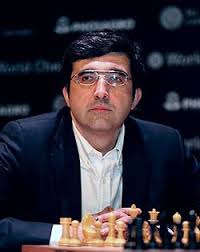
Vladimir Kramnik, a name synonymous with chess excellence, has left an indelible mark on the game, elevating its prestige as a World Champion. Born in 1975 in Tuapse, Russia, Kramnik has been instrumental in shaping modern chess. His victory over Garry Kasparov in 2000 not only marked a significant moment in his career but also changed the landscape of competitive chess. As the chess world continues to evolve, Kramnik’s contributions remain relevant, highlighting the importance of strategic depth and innovation.
Main Achievements
Kramnik’s early forays into chess saw him become the youngest ever Russian champion at just 14 years old. His rise through the ranks culminated in winning the Classical World Chess Championship title in 2000. This victory was particularly notable as Kramnik employed the Berlin Defense, a strategy that would redefine opening theory in chess. Over the years, Kramnik has garnered numerous accolades, including victories in prestigious tournaments such as the Corus and Linares.
Recent Activities
In recent years, Kramnik has shifted his focus towards chess promotion and education. He has been actively participating in exhibitions and online platforms, sharing his insights with the next generation of players. As the pandemic accelerated the digital transformation of chess, Kramnik embraced this change by engaging with audiences on various online platforms, contributing to the global popularity of the sport.
Conclusion
Vladimir Kramnik’s influence on chess is profound and enduring. As a player who merged classical techniques with modern strategies, he has inspired countless players worldwide. Looking forward, Kramnik is positioned to continue his legacy by nurturing future talent and contributing to chess’s evolution. For chess enthusiasts and aspiring grandmasters alike, Kramnik’s career serves as a reminder of the richness of strategy and the power of intellectual pursuit in a digital age.