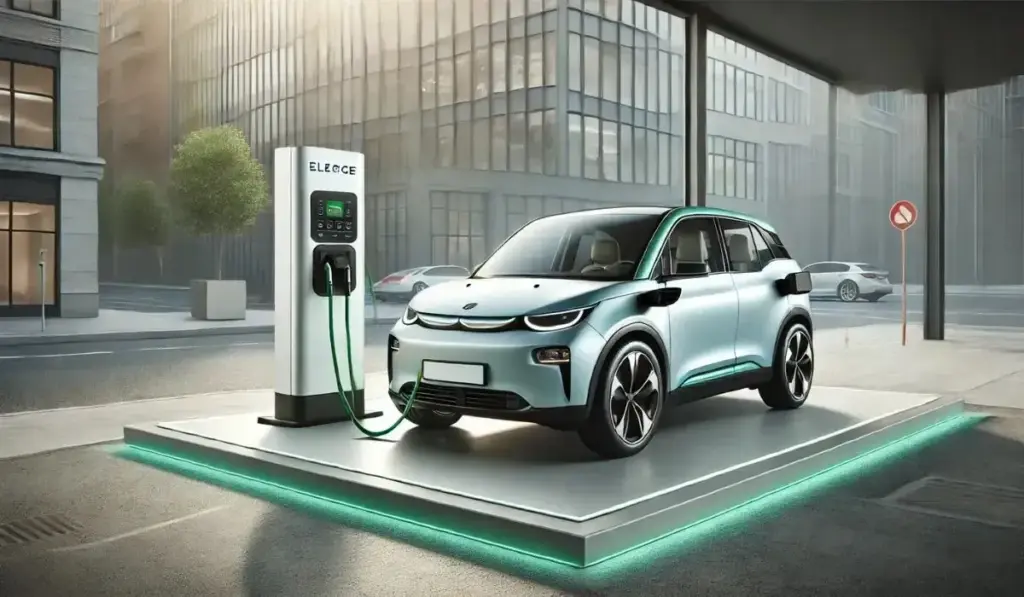
The electric vehicle (EV) market is undergoing a significant transformation in Canada, with the Kia EV4 emerging as the most affordable option available as of 2026. This shift is crucial as it not only enhances accessibility for a broader range of consumers but also aligns with global efforts to reduce carbon emissions and promote sustainable transportation.
Several factors have contributed to this burgeoning market. The French government, for instance, has made a decisive commitment to support the demand for electric vehicles, aiming to prevent stagnation in the market. With the introduction of substantial public aid, including up to 5,700 euros for low-income households purchasing electric vehicles, the transition to greener alternatives is becoming more feasible for many families.
Supporting this trend, the BMW i4 has also made headlines with its impressive specifications, boasting an autonomy of up to 536 km in the eDrive40 model and a powerful 593 horsepower in the M60 xDrive variant. Meanwhile, the IONIQ 6, although not having a 2026 model available in Canada, offers a commendable 550 km of autonomy in its rear-wheel drive configuration, showcasing the competitive landscape of electric vehicles.
In the early months of 2026, electric vehicles accounted for 27.5% of the French car market, a clear indication of the growing acceptance and demand for these eco-friendly options. This surge is further supported by the fact that in 2024, a remarkable 83% of new electric cars purchased by households benefited from public aid, totaling 1.25 billion euros. Such figures highlight the critical role of government support in facilitating the transition to electric mobility.
As manufacturers like BYD plan to install 3,000 ‘FLASH Charging’ stations across Europe in 2026, the infrastructure necessary for widespread EV adoption is also expanding. Nathalie Job, an industry expert, noted, “BYD has acquired a considerable lead, also in terms of production,” emphasizing the competitive edge that companies are gaining in this rapidly evolving market.
However, challenges remain. Without continued aid, the transition to electric vehicles could slow down, leaving many households without access to these essential technologies. The government maintains that significant support for the purchase of 100% electric cars is crucial, as it serves not only to reduce emissions but also to enhance purchasing power and stimulate the industry.
As we look towards the future, the French government has set an ambitious target of selling one million electric vehicles by 2030. This goal reflects a broader commitment to sustainable transportation and the need for ongoing support to ensure that the transition remains accessible for all. The average cost of charging at home, approximately 3 euros for 100 kilometers, further illustrates the potential savings for consumers making the switch to electric.
While the landscape of electric vehicles continues to evolve, details remain unconfirmed regarding the full impact of these initiatives and the pace of adoption in the coming years. The community’s response to these changes will be pivotal in shaping the future of transportation in Canada and beyond.