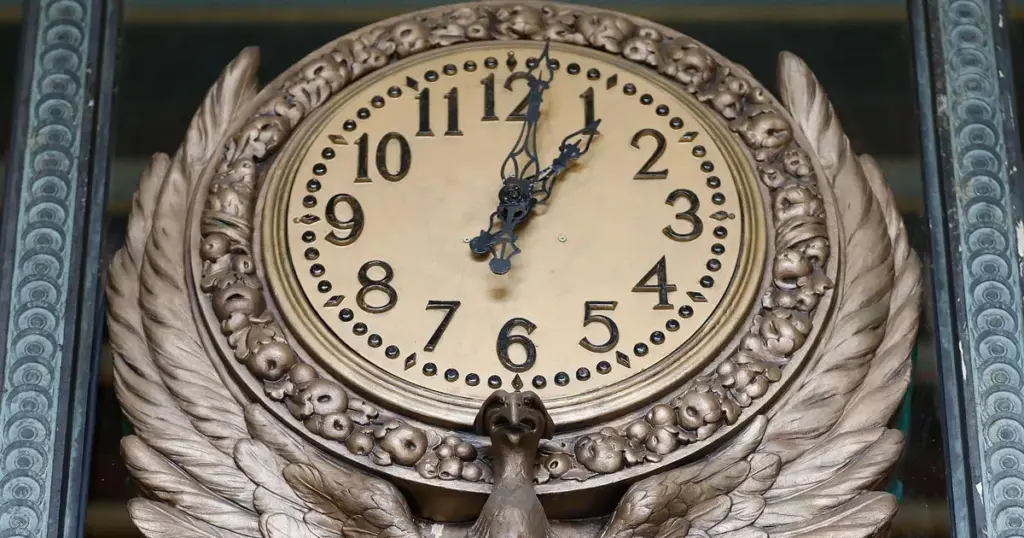
Daylight Saving Time Begins
“Daylight saving time is meant to provide extra sunlight during the spring, summer and fall seasons,” a spokesperson noted as the nation adjusted to the time change. On March 8, 2026, at 2 a.m. local time, clocks moved forward, marking the start of Daylight Saving Time (DST) for the year.
Most of the United States observes this practice, with the notable exceptions of Hawaii and most of Arizona. The change means that many Americans lost an hour of sleep, a common consequence of the biannual clock adjustment.
Daylight saving time was first adopted in the U.S. in 1918 during World War I, aimed at conserving fuel. Since 2007, the start date for DST has been set on the second Sunday of March, a change that has been embraced by many for its potential benefits.
In 2026, daylight saving time will be in effect for a total of 238 days, concluding on November 1. This extended period allows for longer daylight hours, which is often seen as beneficial for various activities and businesses.
Impact on Daily Life
The time change also has practical implications. For instance, in Indiana, the adjustment allows bars and restaurants to sell alcohol for an extra hour, a change that many establishments welcome. As the clocks spring forward, the sunset in Boston shifts from 5:41 p.m. to 6:42 p.m., providing more daylight for evening activities.
Despite the intended benefits, many Americans express confusion and frustration regarding the time change. “Many Americans wrongly point to farmers as the driving force behind Daylight Saving Time,” experts have stated, clarifying that the initiative is primarily about energy conservation.
As the nation adapts to the new time, the focus remains on the balance between daylight and energy use. The goal of daylight saving time is to ensure more daylight hours in a day for a number of reasons, but primarily to save energy.
Details remain unconfirmed regarding any future changes to the DST schedule, but for now, Americans are adjusting to the new time and the implications it brings for daily life.