The Significance of Reformation Day
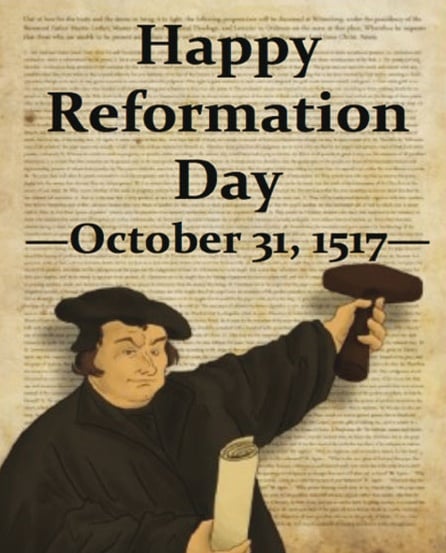
Reformation Day, celebrated annually on October 31, marks a pivotal moment in Christian history, commemorating the beginning of the Reformation in 1517. This day, most notably recognized by many Protestant denominations, serves as a reminder of the profound changes in the Christian faith and church governance initiated by Martin Luther, along with other reformers.
Historical Context
The Reformation arose in response to widespread discontent with the Catholic Church’s practices, particularly regarding the sale of indulgences and the perceived corruption within the Church hierarchy. On October 31, 1517, Martin Luther famously nailed his Ninety-Five Theses to the church door in Wittenberg, Germany, challenging the Church’s authority and advocating for a return to biblical teachings.
This act is often seen as the catalyst for the Reformation, which ultimately led to the establishment of various Protestant denominations that sought to reform Christian beliefs and practices according to scripture rather than tradition. Events that followed indicated a significant shift away from central Catholic authority, leading to the formation of Lutheranism, Calvinism, and other branches of Protestantism.
Modern Observances
In contemporary practice, Reformation Day is observed in various ways. Many churches hold special services that include sermons focusing on the principles of sola scriptura (scripture alone) and justification by faith, themes central to Luther’s teachings. Additionally, theological discussions and educational programs are organized to delve deeper into the impact of the Reformation on modern Christianity and society.
Some communities also celebrate Reformation Day through music, liturgical events, and community gatherings, promoting the significance of reforming not only church teachings but also societal values to align with Christian ideals.
The Significance for Today
Reformation Day serves not just as a historical marker; it challenges contemporary Christians to reflect on their beliefs and the foundations of their faith communities. It emphasizes the importance of questioning, exploration, and a personal relationship with religious texts, motivating a continual pursuit of spiritual and ethical integrity. This day remains particularly relevant in an era where faith and religious institutions are often scrutinized and debated.
As we approach October 31 each year, Reformation Day invites individuals and communities to introspect, engage with their faith, and celebrate the principles of reformation that continue to influence Christianity around the globe.