Who is involved
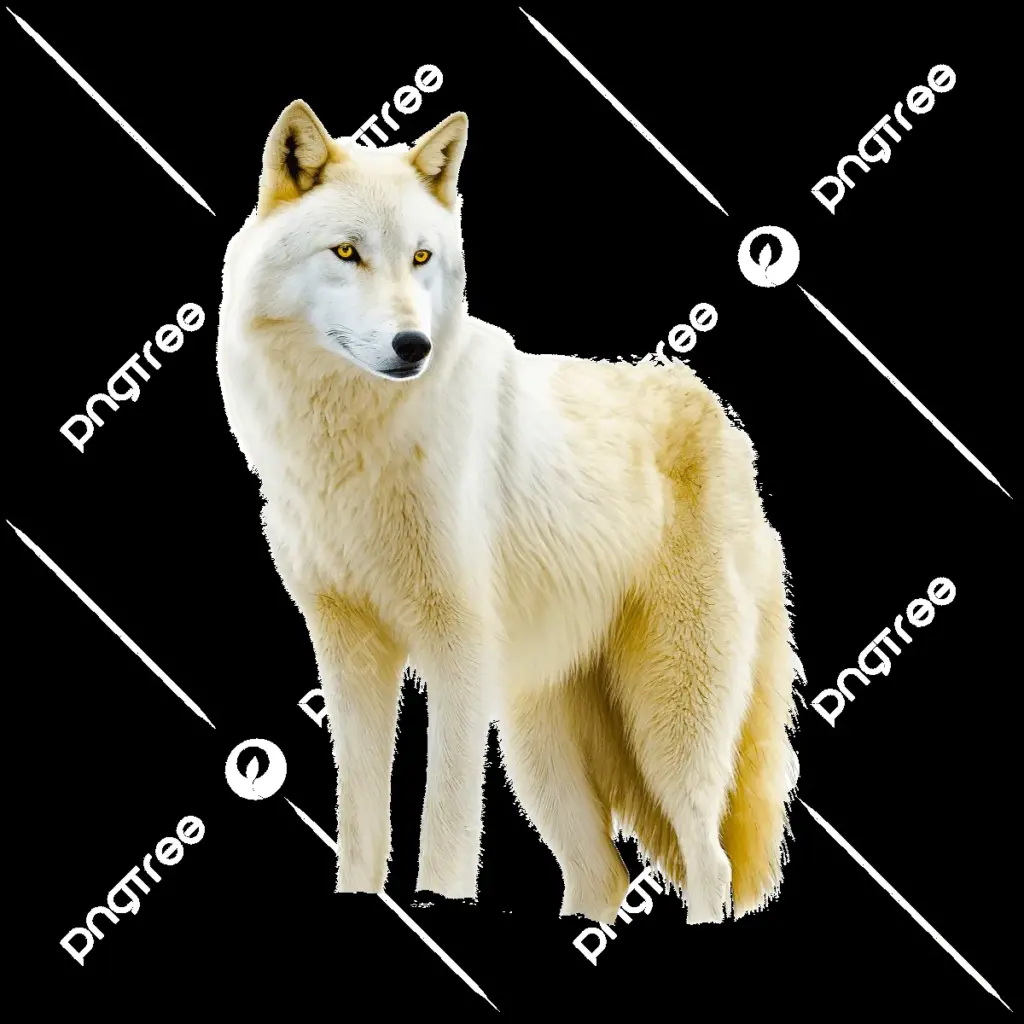
In the vast wilderness of Savage River, Alaska, wolves have been a common sight since the late 1920s. These majestic creatures, often seen as symbols of the wild, have long been a subject of fascination and study. Historically, wolves were perceived as solitary hunters, but recent observations have painted a different picture, revealing their intricate social structures and collaborative hunting techniques.
Before the recent developments in understanding wolf behavior, many believed that wolves primarily hunted alone or in small family groups. This expectation was rooted in a simplistic view of their social dynamics. However, the reality is far more complex. Wolves are often found in family groups, sometimes spanning two to three generations, and during the breeding season, these groups can combine into larger packs of 30 to 45 wolves. This shift in understanding has opened new avenues for research and conservation efforts.
The decisive moment came when wildlife experts, including Frank Glaser and Jim Rearden, began to document the behaviors of wolves in their natural habitat. They observed packs of wolves engaging in sophisticated hunting strategies, such as decoying, where some wolves distract prey while others prepare to attack. For instance, Glaser noted, “I have seen as many as six wolves play the decoy game — they’re very good at it.” This insight into their hunting methods has changed how researchers view wolf interactions and their role in the ecosystem.
The immediate effects of this newfound understanding are profound. As wolves adapt their hunting techniques, they impact local wildlife populations, particularly moose and caribou. Wolves have been observed hunting and killing these large herbivores, often using teamwork to bring down their prey. For example, a pack of five wolves was seen attacking a cow moose, showcasing their ability to coordinate efforts effectively. Such behaviors not only highlight the wolves’ intelligence but also their importance in maintaining the balance of the ecosystem.
Experts emphasize the need to appreciate the complexity of wolf behavior. Frank Glaser remarked, “The more I learn about wolves, the less I like to generalize about their hunting methods and other habits — wildlife doesn’t live by rules.” This perspective encourages a deeper understanding of the natural world, urging us to recognize the nuances in animal behavior rather than relying on outdated stereotypes.
Moreover, the social structure of wolves is fascinating. The largest pack observed in the region numbered 52, showcasing the potential for collaboration among these animals. Such large groups can be particularly effective during hunting seasons, which typically occur from February through April. During these months, wolves can be seen working together, demonstrating their ability to adapt and thrive in their environment.
As the community of Savage River continues to engage with the local wildlife, the relationship between humans and wolves evolves. The sounds of howling wolves, which Glaser has come to love, serve as a reminder of the wildness that still exists in Alaska. He shared, “I love the sound of a howling wolf, and after hearing it for years I found that I could imitate it.” This connection fosters a sense of respect and admiration for these creatures, encouraging conservation efforts and a deeper appreciation for the natural world.
In summary, the story of wolves in Savage River, Alaska, is one of transformation and adaptation. As our understanding of these animals deepens, so too does our responsibility to protect their habitats and ensure their survival. The complexities of wolf behavior remind us that nature is not only resilient but also intricately woven into the fabric of our ecosystem.