Introduction
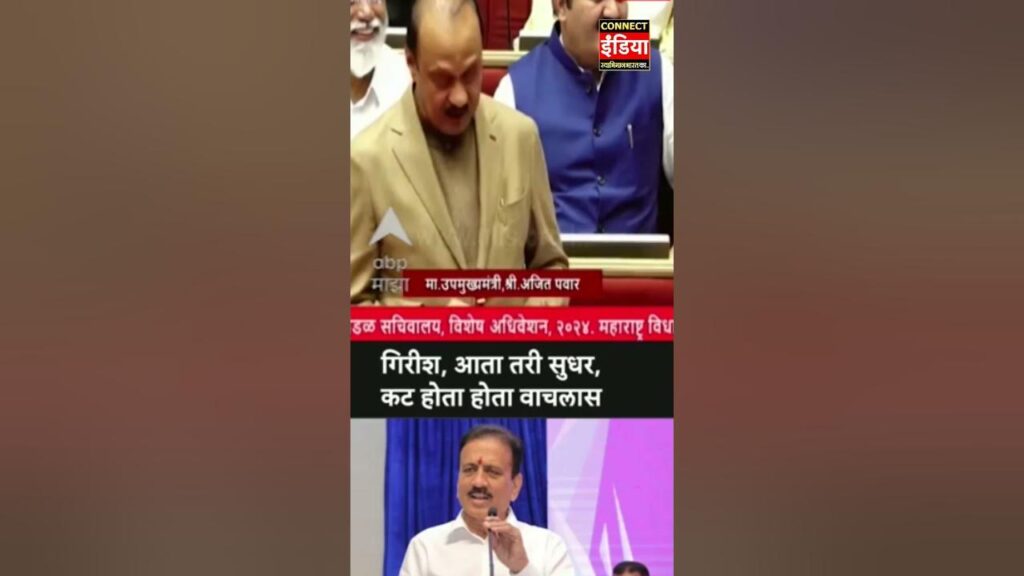
Ajit Pawar, a prominent figure in Maharashtra politics and a senior leader of the Nationalist Congress Party (NCP), has recently stirred the political landscape of the state with his strategic decisions. As Maharashtra continues to face economic challenges and social issues, Pawar’s political movements are being closely watched, not only within the state but also by national observers. His actions could significantly impact the future of Maharashtra’s governance and the NCP’s standing in Indian politics.
Recent Developments
In the past few weeks, Ajit Pawar has been at the center of a political storm. After a series of meetings with various political leaders, speculation arose about his possible realignment with the Bharatiya Janata Party (BJP), which has been a point of contention and interest among the electorate and political analysts alike. Pawar’s open criticism of the current government’s handling of various issues, including agrarian distress and development projects, has provided fodder for discussions on a potential shift in allegiance.
Political Implications
The possibility of Ajit Pawar collaborating with the BJP has significant implications for the current coalition government led by the Shiv Sena and NCP. His influence extends across various voter bases in Maharashtra, and any strategic move he makes could alter the dynamics of power. Analysts suggest that such a shift might enable the BJP to consolidate its influence in the region, especially in light of the upcoming elections.
Moreover, Pawar’s extensive experience and political acumen might also lead him to leverage any changes to negotiate a stronger position for himself and his party in future coalitions. The balance of power within the state assembly could tilt heavily towards him should he orchestrate a successful political maneuver.
Conclusion
As Ajit Pawar continues to navigate the complexities of Maharashtra’s political environment, his next moves will be critical. Observers are anticipating a reshaping of loyalties and alliances that could challenge the existing regime’s stability. Regardless of his decisions, the ongoing situation serves as a reminder of the fluid nature of politics in India. For the residents of Maharashtra, Ajit Pawar’s actions are more than just political tactics; they signal a potentially transformative period in the state’s governance.