Introduction
Armenia, a nation located at the crossroads of Europe and Asia, has a rich cultural heritage and a complex history marked by conflict and resilience. In recent years, the country has witnessed significant political changes, which have sparked international interest and concern. Understanding the current events in Armenia is crucial not only for regional stability but also for the global community’s perspective on democracy and governance.
Recent Political Developments
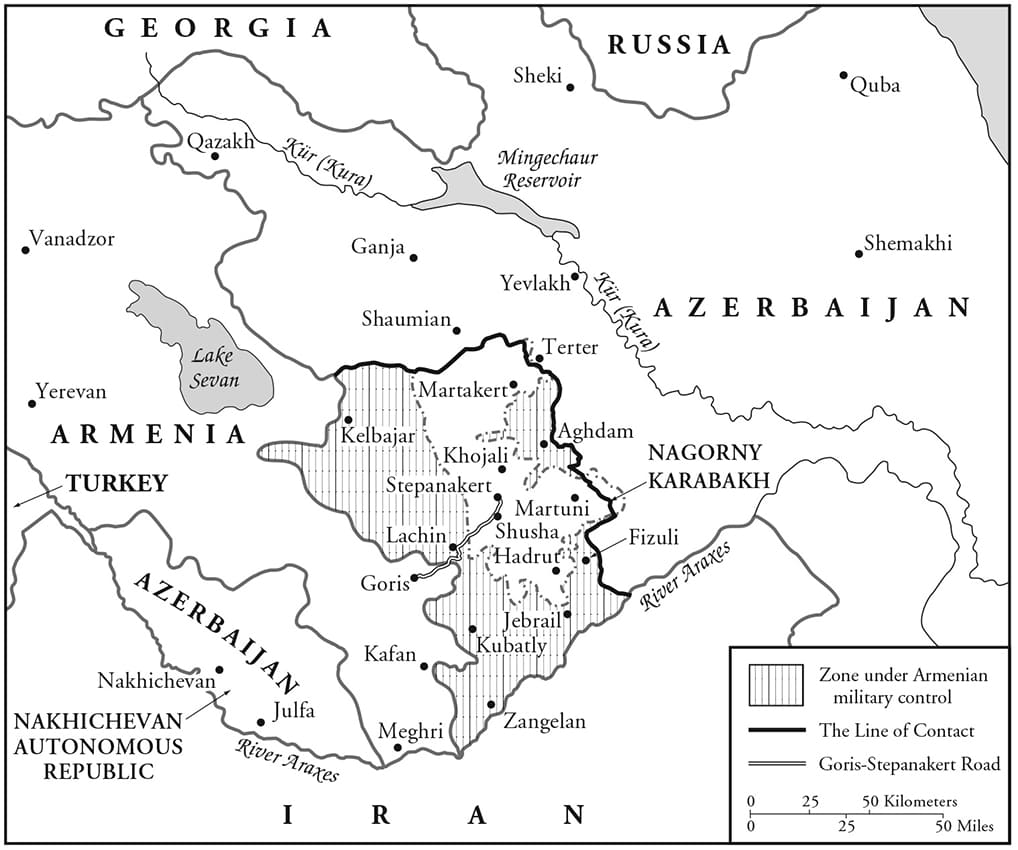
In 2023, Armenia has been undergoing a pivotal phase of political evolution. Following the 2020 Nagorno-Karabakh war with Azerbaijan, which resulted in territorial losses for Armenia, the government under Prime Minister Nikol Pashinyan has faced increased scrutiny and pressure from both the public and opposition parties. Demonstrations and protests demanding accountability have become common as citizens express dissatisfaction with the government’s handling of national security and foreign relations.
International Relations
The geopolitical landscape surrounding Armenia is intricate. In recent months, Armenia has sought to strengthen its ties with Western nations, notably the European Union and the United States, as a counterbalance to Russian influence in the region. In a notable shift, Armenia participated in military exercises with NATO, which is viewed as a bold move given its previous alignment with Russian-led alliances. This development highlights Armenia’s desire for greater autonomy and a strategic pivot towards the West, spawning both optimism and concern among international observers.
Cultural Heritage and Identity
Beyond its political landscape, Armenia boasts a rich tapestry of cultural heritage. Celebrated for its ancient churches and monuments, such as the Temple of Garni and the Geghard Monastery, Armenia continues to actively promote its cultural history. Additionally, the diaspora remains a vital part of Armenia’s identity, contributing to economic growth through remittances and fostering global awareness of Armenia’s issues.
Conclusion
As Armenia navigates this complex period of transition, the implications for its future remain significant. The government’s ability to address internal dissent and manage foreign relations effectively will be crucial in shaping its identity and stability. International stakeholders are keenly observing Armenia’s movements, as the nation’s experience may serve as a case study for post-conflict recovery and democratic governance. For readers interested in geopolitical dynamics or cultural studies, Armenia represents both a nation in transformation and a bellwether for broader regional trends.