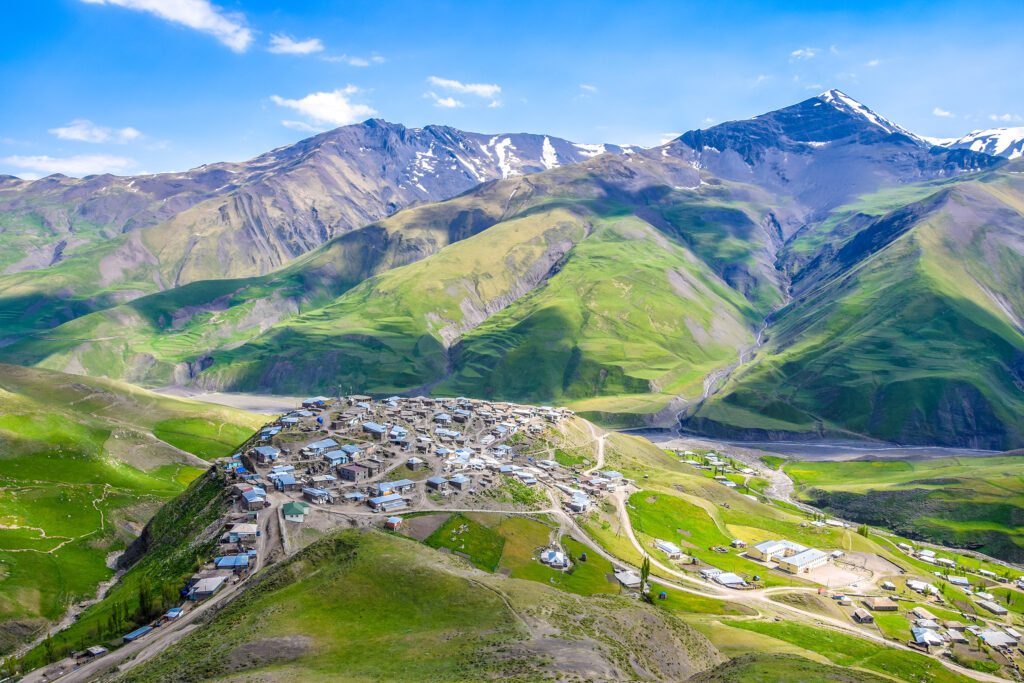
Introduction
Azerbaijan, located at the crossroads of Eastern Europe and Western Asia, is a nation rich in history and culture. Its strategic position along the Caspian Sea has made it significant both historically and in contemporary geopolitics, especially regarding energy resources. With tensions in the region arising from various geopolitical factors, understanding Azerbaijan’s role is critical for global energy security and regional stability.
Geopolitical Importance
Azerbaijan has been at the center of numerous geopolitical conflicts, most notably the ongoing tensions in the Nagorno-Karabakh region with Armenia. In 2020, a brief war resulted in Azerbaijan gaining significant territory, altering the balance of power in the South Caucasus. This development has drawn attention from global powers, highlighting Azerbaijan’s importance in regional politics.
Energy Resources
The country is endowed with significant energy resources, including oil and natural gas. The Shah Deniz gas field, one of the largest in the world, is crucial for Europe’s energy strategy, particularly in diversifying away from Russian gas. This underscores Azerbaijan’s role as a vital player in energy supply chains, with the Southern Gas Corridor project expected to further bolster its status in the international energy landscape.
Cultural Heritage
Azerbaijan boasts a rich cultural heritage influenced by Persian, Ottoman, and Soviet histories. Cities like Baku, with its futuristic Flame Towers and the ancient Old City, reflect this blend of historical and modern influences. The country is also known for its vibrant music scene, particularly the UNESCO-listed Mugham, and its cuisine, reflecting the diverse cultural tapestry of the region.
Conclusion
Azerbaijan plays a pivotal role in both the geopolitical landscape and the energy market of the South Caucasus. As the country continues to develop its economy and enhance its international partnerships, its cultural richness and strategic significance are expected to grow. For readers, understanding Azerbaijan’s dynamics is crucial not only for appreciating its heritage but also for grasping its role in the evolving global landscape.