Introduction
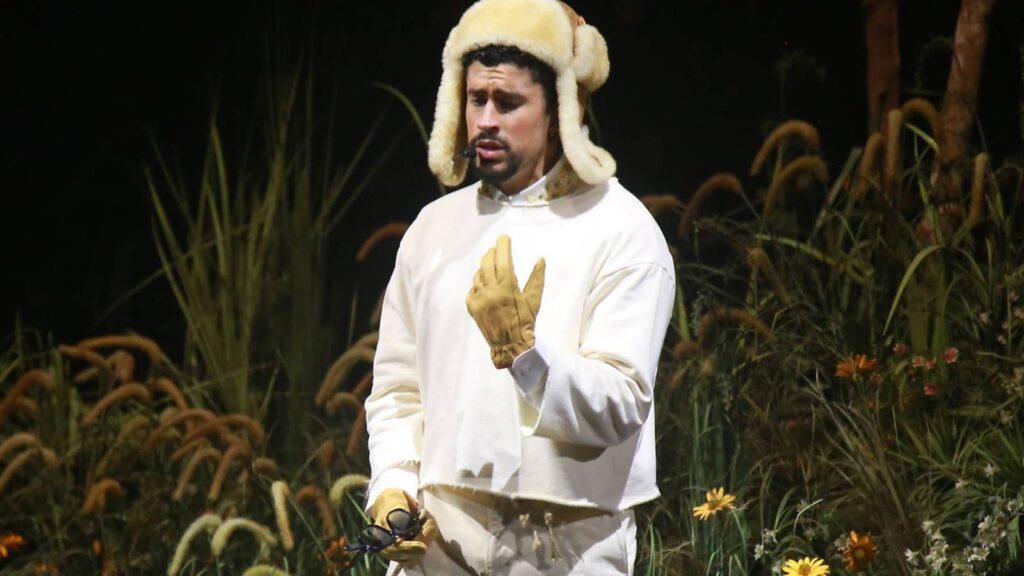
Bad Bunny, the Puerto Rican reggaeton superstar, made headlines with an electrifying performance at the Super Bowl halftime show on February 12, 2023. His presence not only brought a Latin flair to the iconic event but also marked a significant moment for representation in mainstream entertainment. With his energetic performance and vibrant stage design, Bad Bunny captivated millions of viewers around the globe, underlining the growing influence of Latin music in pop culture.
Performance Highlights
As the first fully Spanish-speaking artist to headline a Super Bowl halftime show, Bad Bunny wowed the audience with a medley of his greatest hits, including “Tití Me Preguntó” and “Dakiti”. The show featured elaborate choreography, stunning visuals, and a fusion of traditional and contemporary elements that showcased the rich culture of Latin America. Dancers in colorful costumes accompanied the artist, creating a fiesta atmosphere that resonated with fans and celebrities alike.
Furthermore, Bad Bunny used his platform to address important societal issues, such as mental health, gender equality, and the empowerment of marginalized communities. The performance concluded on a high note, leaving viewers with a powerful message of unity and positivity, further solidifying his status as a cultural icon.
Reactions and Impact
Social media buzzed with excitement in the aftermath of the show, with fans praising Bad Bunny’s incredible vocal performance and his ability to command the stage. Celebrities took to platforms like Twitter and Instagram to express their admiration, with many highlighting the importance of recognizing Latin artists in mainstream entertainment. The performance was viewed as a groundbreaking moment, paving the way for other Latin artists to headline major events.
In addition to his artistic impact, Bad Bunny’s performance also had significant commercial implications. The day following the Super Bowl, his streaming numbers surged, leading to a spike in sales for his albums and merchandise. This phenomenon not only highlights the economic influence of live performances but also signals a shift in music consumption trends, with Latin music gaining immense popularity across diverse demographics.
Conclusion
Bad Bunny’s halftime show was more than just a performance; it was a cultural milestone that celebrated the vibrancy of Latin music and the importance of representation in entertainment. As the demands for diverse voices in music continue to rise, performances like Bad Bunny’s at major events underscore the evolving landscape of the music industry. Fans and critics alike can expect to see more Latin artists taking center stage in the future, contributing to a richer and more inclusive musical experience for audiences worldwide.