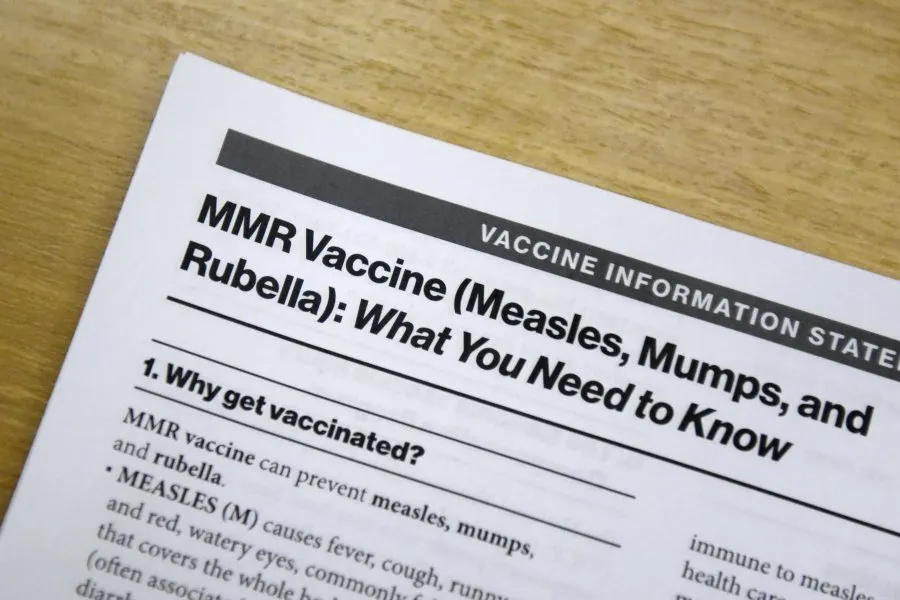
“Vaccines are foundational to child survival. UNICEF is deeply concerned about the sharp rise in measles cases across Bangladesh, putting thousands of children, especially the youngest and most vulnerable, at serious risk,”
On April 6, 2026, the campaign was launched in response to a troubling surge in measles cases, with at least 98 children reported dead since March 15. The alarming rise has seen over 7,500 suspected cases, prompting health officials to take swift action. The vaccination age has been lowered from 9 months to 6 months to ensure that the youngest children are prioritized in this critical fight against the disease.
The campaign will initially target 18 high-risk districts before expanding nationwide on May 3, 2026. This strategic approach aims to address the most vulnerable populations first, as Bangladesh grapples with a resurgence of measles that highlights significant immunity gaps, particularly among zero-dose and under-vaccinated children.
Bangladesh’s last vaccination campaign was in 2020, and plans for a second in 2024 were thwarted by political unrest. Now, with the current government under Prime Minister Tarique Rahman, there is a renewed commitment to safeguarding child health. Rahman, who took office following the ousting of Sheikh Hasina during a student-led uprising in August 2024, is focused on rebuilding trust in public health initiatives.
In addition to the health crisis, Bangladesh is also navigating a pivotal moment in its diplomatic relations with India. Humayun Kobir, Bangladesh’s Foreign Affairs Adviser, remarked, “Our bilateral relation should be focused on people-to-people ties so that it will not be focused on individuals. This is what we want and this is also what India desires.” This sentiment reflects a desire to foster a more stable and collaborative relationship, moving away from past tensions.
India has already demonstrated its commitment to supporting Bangladesh by sending 5,000 metric tonnes of high-speed diesel on March 10, 2026. This gesture is seen as a step towards strengthening ties, especially as Bangladesh’s Foreign Minister Khalilur Rahman is scheduled to visit India on April 7, 2026, to further discuss collaborative efforts.
As Bangladesh confronts the dual challenges of a health crisis and evolving diplomatic relations, the focus remains on protecting its children and ensuring that the lessons of the past inform a brighter future. The urgency of the vaccination campaign and the commitment to improved relations with India signal a proactive approach to both public health and international diplomacy.
Details remain unconfirmed regarding the full impact of these initiatives, but the hope is that with concerted efforts, Bangladesh can overcome the current measles outbreak and build a more resilient healthcare system for its youngest citizens.