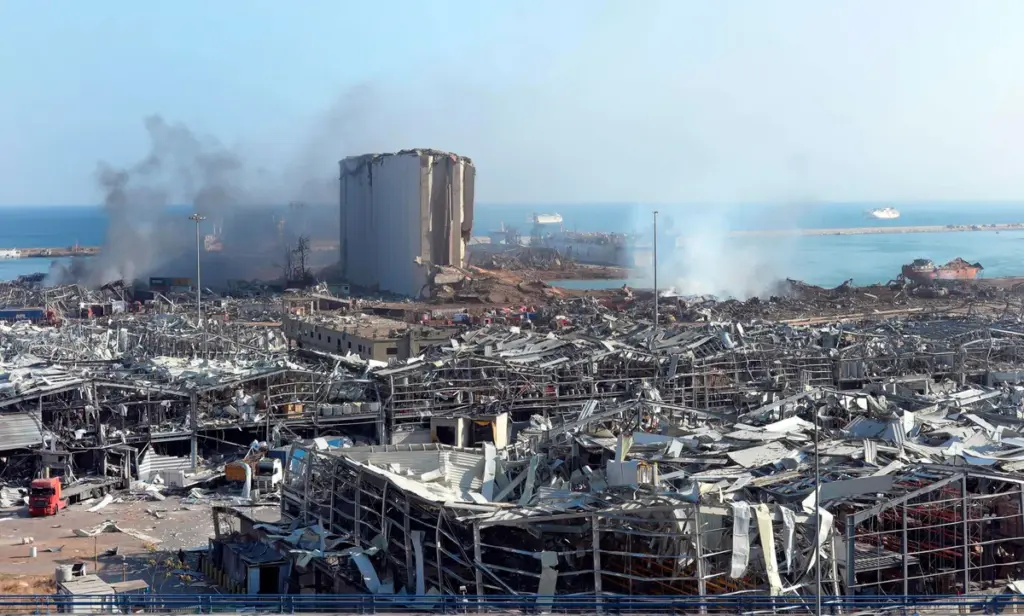
The conflict in Lebanon has intensified following the killing of Iran’s Supreme Leader Ayatollah Ali Khamenei. Until recently, the situation in Beirut was marked by a fragile stability, with residents in the southern suburbs going about their daily lives despite the ongoing tensions between Israel and Hezbollah.
Recent Developments
However, on March 5, 2026, Israel issued a forced evacuation order for the entire Dahiyeh area of Beirut, which includes neighborhoods such as Burj al-Barajneh, al-Hadath, Haret Hreik, and Shiyah. This order affects more than 400,000 residents, marking a significant escalation in the conflict.
Bezalel Smotrich, an Israeli minister, threatened to turn the southern suburbs of Beirut into another Gaza Strip, stating, “The southern suburbs will become like Khan Younis.” This statement underscores the severity of the situation and the potential for further violence.
The Israeli military’s directive has already resulted in widespread panic, with flights at Beirut-Rafic Hariri International Airport suspended amid fears of further attacks. The conflict has already resulted in at least 102 deaths and 638 injuries across Lebanon, with tens of thousands displaced.
Humanitarian Concerns
Human Rights Watch has raised alarms about the legality of the evacuation order, stating that it raises serious risks of violations of the laws of war. Ramzi Kaiss, a legal expert, emphasized that calling on everyone who lives south of the Litani River to evacuate immediately raises serious legal and humanitarian red flags and fears for the safety of civilians.
International Reactions
French President Emmanuel Macron remarked, “The Lebanese have a right to peace and security – like everyone in the Middle East,” highlighting the international community’s concern for the humanitarian implications of the evacuation order.
As the situation unfolds, the direct effects on the residents of Beirut and the broader implications for regional stability remain to be seen. Details remain unconfirmed regarding the full scope of the evacuation and its enforcement.