The wider picture
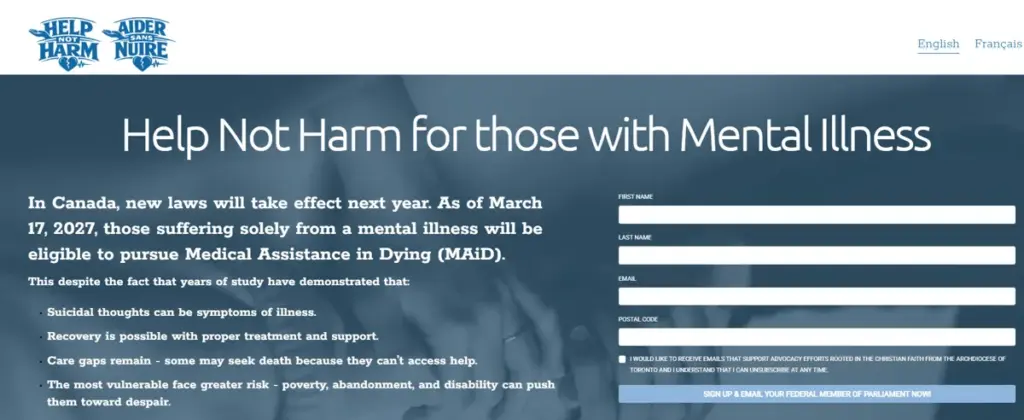
The planned expansion of Medical Assistance in Dying (MAiD) to include mental illness has faced organized opposition from various groups. This controversial move, set to take effect on March 17, 2027, has raised alarms among advocates for mental health, who argue that individuals struggling with severe mental health challenges need treatment, compassion, and support rather than a pathway to end their lives during what may be their lowest moments.
In response to this impending change, Bill C-218, known as the Right to Recover Act, has been introduced to prohibit MAiD when mental illness is the sole underlying condition. This legislative effort is gaining traction, with key figures like Tamara Jansen expressing strong opposition to the proposed expansion, stating it represents “a line that should never be crossed.” Such sentiments resonate deeply within communities concerned about the welfare of vulnerable individuals.
The Archdiocese of Toronto has actively engaged in this dialogue through its Help Not Harm campaign, urging Catholics and the broader community to support Bill C-218. Neil MacCarthy, a spokesperson for the Archdiocese, welcomed the solidarity shown by dioceses across Canada, emphasizing the importance of advocating for those who may feel isolated in their struggles.
In Alberta, a similar initiative has emerged with Bill 18, the Safeguards for Last Resort Termination of Life Act, which aims to bar assisted suicide for individuals with mental illness as their sole underlying condition. This local response highlights the growing concern among provinces regarding the implications of the federal government’s decision to expand MAiD.
Danielle Smith, a prominent political figure, has also voiced her opposition, stating, “Those struggling with severe mental health challenges need treatment, compassion, and support, not a path to end their life at what may be their lowest moment.” Her remarks reflect a broader sentiment within the community that prioritizes mental health care over legislative measures that could lead to assisted dying.
As discussions around these bills unfold, observers are keenly watching the legislative process. The House of Commons has seen significant activity, with other bills such as Bill C-9, the Combatting Hate Act, advancing to the Senate after being adopted. This legislative environment indicates a busy period for lawmakers, who are grappling with multiple pressing issues, including the implications of mental health in the context of MAiD.
As the March 2027 deadline approaches, communities across Canada are mobilizing to ensure their voices are heard. The conversation surrounding Bill C-12 and its implications for mental health and MAiD is far from over, and many are hopeful that compassionate alternatives will prevail in the legislative process. Details remain unconfirmed, but the community’s commitment to advocating for mental health support continues to grow.