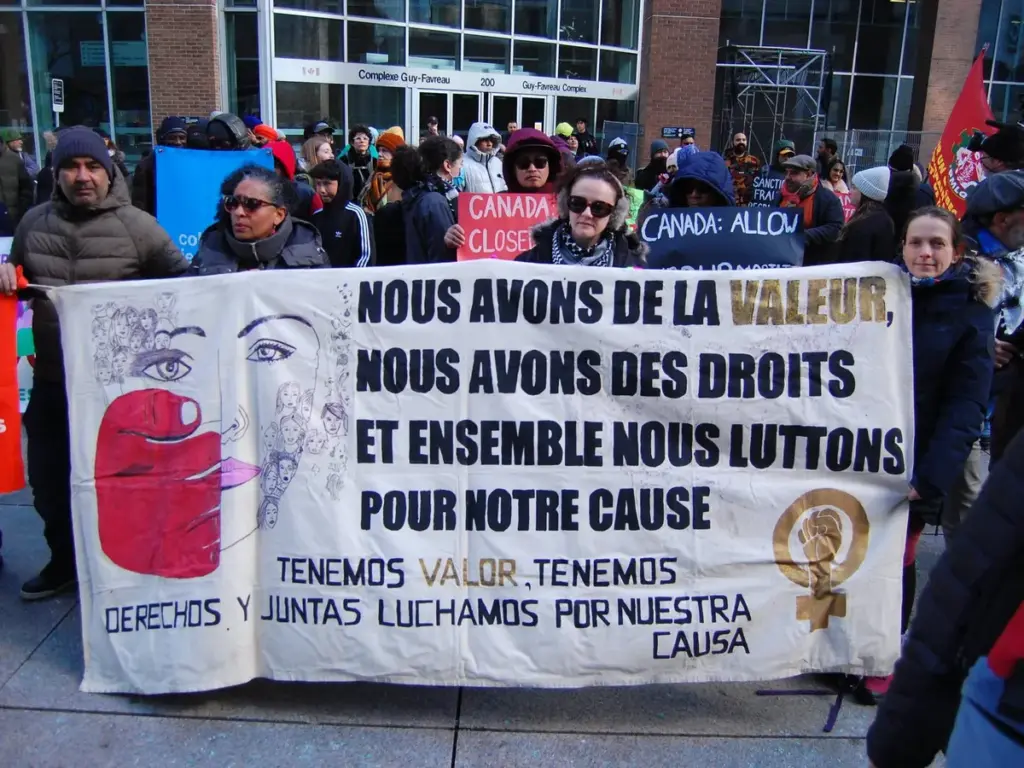
Bill C-12 marks one of the most significant structural changes to Canada’s immigration system in recent years. As the country has grappled with increasing numbers of asylum seekers, the government has sought to implement measures that it argues will streamline the immigration process and reduce pressures on the system. However, the passage of this legislation has sparked a heated debate about its implications for refugee protection in Canada.
On March 26, 2026, Bill C-12 officially became law, introducing tighter asylum eligibility rules and a modernized asylum process. Among its most controversial provisions is the limitation on the ability to seek refugee protection, particularly affecting those who apply more than one year after entering Canada. Asylum seekers in this situation will not receive a full hearing at the Immigration and Refugee Board, a change that many advocates fear undermines critical procedural safeguards.
The law also grants the government the power to cancel immigration documents if deemed in the public interest, enabling the mass cancellation of immigration documents and applications. This aspect of the legislation has raised alarms among rights groups, who argue that it could put thousands of individuals at risk of persecution, violence, and precarity. “This government is replicating US-like anti-migrant sentiment and policies in Canada,” said representatives from various rights organizations.
In response to the concerns raised, Canadian officials have defended the law, stating that it is designed to strengthen the practical tools that keep the immigration and asylum systems fair and efficient. Lena Diab, a spokesperson for the government, remarked, “With the passage of Bill C-12, we’re strengthening the practical tools that keep our immigration and asylum systems fair, efficient and working as intended.” This statement reflects the government’s commitment to addressing what they perceive as a growing challenge in managing immigration.
However, the reaction from the community has been one of anxiety and uncertainty. Flavia Leiva, a community advocate, expressed the fears of many asylum seekers: “[Bill C-12] is scary, it’s really scary. People are coming to see us, stressed, asking: ‘Do you think I’ll be able to stay?'” This sentiment is echoed by many who feel that the new rules will create additional barriers to safety and security for those seeking refuge in Canada.
The United Nations Human Rights Committee has also weighed in, warning that Bill C-12 may weaken refugee protection in Canada. As the law introduces expanded information sharing between federal, provincial, and territorial governments, observers are left to ponder the broader implications of these changes on the rights of asylum seekers and the integrity of Canada’s immigration system.
As the community continues to process the ramifications of Bill C-12, many organizations, including the Canadian Civil Liberties Association and Amnesty International Canada, have voiced their opposition. Over 300 organizations previously urged the government to withdraw its predecessor, Bill C-2, highlighting the widespread concern regarding the direction of immigration policy in Canada.
Looking ahead, the changes brought by Bill C-12 will take effect for claims made on or after 2025, with specific provisions, such as changes to the Interim Federal Health Program, coming into effect on May 1. As the community navigates this new landscape, the voices of advocates and asylum seekers will be crucial in shaping the ongoing dialogue surrounding immigration and refugee protection in Canada.